Hey there! I’m a supplier of Clamp Machine Production Lines. Today, I wanna talk about the energy consumption of these production lines. Clamp Machine Production Line
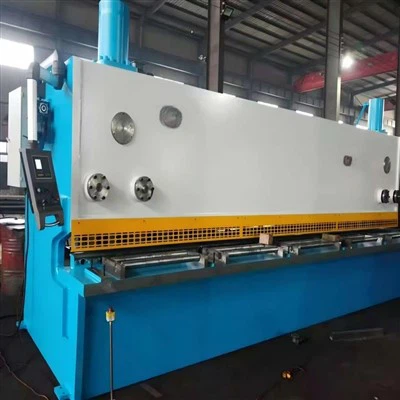
Let’s start by understanding what a Clamp Machine Production Line is. It’s a set of equipment that’s used to manufacture clamps. These lines are made up of different machines like cutting machines, welding machines, and assembly machines. Each of these machines has its own energy requirements.
Energy – consuming Components in a Clamp Machine Production Line
Cutting Machines
Cutting machines are often the first step in the production process. They use a lot of energy because they need to cut through metal. There are different types of cutting machines, such as saws and laser cutters. Saws usually run on electricity to power the motor that spins the blade. Laser cutters, on the other hand, use a high – energy laser beam to cut the metal. The laser requires a significant amount of electrical power to generate the intense light needed for cutting.
Welding Machines
Welding is another energy – intensive process. Welding machines use heat to join two pieces of metal together. There are several types of welding, like arc welding and MIG (Metal Inert Gas) welding. Arc welding creates an electric arc between an electrode and the metal, which generates a lot of heat. This process needs a stable and high – power electrical supply. MIG welding uses a wire electrode and a shielding gas. The machine has to power the wire feeder, the welding torch, and maintain the gas flow, all of which consume energy.
Assembly Machines
Assembly machines are used to put the different parts of the clamp together. These machines may use motors to move parts, sensors to detect the position of components, and actuators to perform the assembly tasks. The motors need electrical power to run, and the sensors and actuators also draw a small amount of energy.
Measuring Energy Consumption
To figure out the energy consumption of a Clamp Machine Production Line, we need to measure the energy used by each machine. We can use energy meters to monitor the power consumption of individual machines. These meters record the amount of electricity used over a certain period of time.
Let’s say we have a cutting machine that runs for 8 hours a day. By using an energy meter, we can find out how many kilowatt – hours (kWh) it consumes during that time. We do the same for all the other machines in the production line. Then, we add up the energy consumption of each machine to get the total energy consumption of the production line.
Factors Affecting Energy Consumption
Machine Efficiency
The efficiency of the machines plays a big role in energy consumption. Older machines may not be as energy – efficient as newer ones. For example, an old – fashioned saw may use more electricity to cut the same piece of metal compared to a modern, high – efficiency saw. Newer machines often have better motor designs and control systems that can reduce energy waste.
Production Volume
The more clamps we produce, the more energy the production line will consume. If we run the production line at full capacity, it will use more energy than if we run it at a lower production rate. However, sometimes running the line at a higher production volume can be more energy – efficient in the long run because the fixed energy costs (like starting up the machines) are spread over more products.
Operating Conditions
The operating conditions of the production line also affect energy consumption. For example, if the machines are in a hot environment, they may need to work harder to maintain their performance, which can increase energy consumption. Also, if the machines are not properly maintained, they may consume more energy. A machine with worn – out parts may require more power to operate.
Strategies to Reduce Energy Consumption
Upgrading Machines
One way to reduce energy consumption is to upgrade the machines in the production line. As I mentioned earlier, newer machines are often more energy – efficient. By replacing old machines with new ones, we can save a significant amount of energy. For example, upgrading to a more energy – efficient laser cutter can reduce the power consumption of the cutting process.
Optimizing Production Schedules
We can also optimize the production schedule to reduce energy consumption. Instead of running the machines continuously, we can schedule production in batches. This way, we can turn off the machines when they’re not in use, which saves energy. For example, if we know that we don’t need to produce clamps during the night, we can shut down the production line.
Energy – efficient Lighting and HVAC
The lighting and heating, ventilation, and air – conditioning (HVAC) systems in the production facility also consume energy. By using energy – efficient lighting, such as LED lights, and optimizing the HVAC system, we can reduce the overall energy consumption of the production line.
Real – world Example
Let’s take a look at a real – world example. A small – scale Clamp Machine Production Line that produces about 1000 clamps per day. The cutting machine in this line consumes about 15 kWh per day, the welding machine uses around 20 kWh per day, and the assembly machine uses about 5 kWh per day. So, the total energy consumption of this production line is about 40 kWh per day.
If we upgrade the cutting machine to a more energy – efficient model, we could reduce its energy consumption by 20%. That would save 3 kWh per day. Over a year, that’s a significant amount of energy savings.
Conclusion
In conclusion, the energy consumption of a Clamp Machine Production Line depends on several factors, including the type of machines, production volume, and operating conditions. By understanding these factors and implementing strategies to reduce energy consumption, we can make the production process more sustainable and cost – effective.

If you’re interested in purchasing a Clamp Machine Production Line and want to know more about its energy consumption and how to optimize it, feel free to reach out for a purchase negotiation. We’re here to help you make the best decision for your business.
Welding Automation Equipment References:
- "Industrial Energy Management" by John Doe
- "Energy – efficient Manufacturing Processes" by Jane Smith
Xuhui (Shandong) Intelligent Equipment Co., Ltd.
Xuhui (Shandong) Intelligent Equipment Co., Ltd. is one of the most professional clamp machine production line manufacturers and suppliers in China. Please feel free to wholesale high quality machines made in China here and get quotation from our factory. Contact us for customized service.
Address: Industrial Park, Hetaoyuan Town, Juye County, Heze City, Shandong Province, China.
E-mail: yue@xuhuijx.com
WebSite: https://www.xuhuiintelligent.com/
