In the realm of modern surgical techniques, laparoscopic surgeries have emerged as a revolutionary approach, offering numerous benefits over traditional open surgeries. One crucial component in laparoscopic procedures is the specimen retrieval bag, a device designed to safely remove tissue specimens from the patient’s body. As a supplier of disposable specimen retrieval bags, I am often engaged in discussions about the suitability of these products for laparoscopic surgeries. In this blog, I will delve into the scientific rationale, practical advantages, and potential limitations of using disposable specimen retrieval bags in laparoscopic procedures. Disposable Specimen Retrieval Bag

The Science Behind Specimen Retrieval in Laparoscopic Surgeries
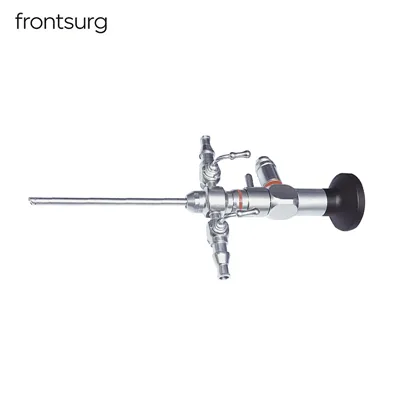
Laparoscopic surgeries involve making small incisions in the abdominal wall and inserting a laparoscope, a thin tube with a camera and light source, along with specialized surgical instruments. This minimally invasive approach reduces pain, shortens hospital stays, and promotes faster recovery compared to open surgeries. However, one of the challenges in laparoscopic procedures is the safe and efficient removal of tissue specimens, such as tumors, organs, or pathological tissues.
Specimen retrieval bags play a vital role in this process. They are used to enclose the tissue specimen within the abdominal cavity before its extraction. This helps prevent spillage of the specimen contents, which can lead to the spread of cancer cells, infection, or contamination of the surgical site. By isolating the specimen, retrieval bags also facilitate the retrieval of large or irregularly shaped specimens through small incisions, minimizing the need for additional or larger cuts.
Advantages of Disposable Specimen Retrieval Bags
Safety
One of the primary advantages of disposable specimen retrieval bags is their ability to enhance patient safety. Reusable bags, if not properly cleaned and sterilized, can harbor bacteria, viruses, or other pathogens, increasing the risk of surgical site infections. Disposable bags, on the other hand, are designed for single – use, eliminating the potential for cross – contamination between patients. They are manufactured under strict quality control standards to ensure they are sterile and free from defects, providing a reliable barrier between the specimen and the surrounding tissues.
Convenience
Disposable specimen retrieval bags offer significant convenience for surgeons and healthcare providers. They come pre – sterilized and ready to use, eliminating the need for time – consuming cleaning and sterilization processes associated with reusable bags. This saves valuable operating room time and reduces the workload on the surgical team. Additionally, disposable bags are often designed with user – friendly features, such as easy – to – open closures and smooth surfaces, which facilitate the insertion, placement, and retrieval of specimens.
Cost – effectiveness
In the long run, disposable specimen retrieval bags can be cost – effective. While the upfront cost of a single disposable bag may seem higher than that of a reusable bag, the cost of maintaining a reusable bag system, including cleaning, sterilization, and replacement of damaged parts, can be substantial. Disposable bags eliminate these additional costs and reduce the risk of equipment failure or malfunction, which could lead to costly surgical complications.
Environmental Considerations
Although disposable products are often associated with environmental concerns, modern disposable specimen retrieval bags are designed with sustainability in mind. Many manufacturers are using biodegradable or recyclable materials in their production, reducing the environmental impact. Additionally, the reduced risk of infection and surgical complications associated with disposable bags can lead to shorter hospital stays and fewer readmissions, which in turn can reduce the overall environmental footprint of healthcare.
Potential Limitations and Considerations
Size and Capacity
One potential limitation of disposable specimen retrieval bags is their size and capacity. In some cases, very large or bulky specimens may not fit easily into standard – sized bags. This can pose challenges during retrieval and may require the use of multiple bags or alternative retrieval techniques. However, many manufacturers offer a range of bag sizes to accommodate different specimen sizes, and custom – made bags can also be ordered for specific surgical needs.
Material Strength
The strength of the bag material is another important consideration. The bag must be able to withstand the handling and manipulation during the retrieval process without tearing or rupturing. Some disposable bags may have limitations in terms of their resistance to sharp edges or high – pressure forces. Surgeons need to choose bags made from high – quality materials that are appropriate for the type of specimen being retrieved.
Cost for Low – Resource Settings
In low – resource settings, the cost of disposable specimen retrieval bags may be a significant barrier. While the long – term cost – effectiveness of disposable bags has been established in many healthcare systems, the initial investment may be prohibitive for some hospitals or clinics. In such cases, alternative solutions, such as the careful use of reusable bags with strict sterilization protocols, may need to be considered.
Real – World Applications and Success Stories
Disposable specimen retrieval bags have been widely used in various laparoscopic surgeries, including cholecystectomy (removal of the gallbladder), nephrectomy (removal of the kidney), and hysterectomy (removal of the uterus). In many cases, these bags have contributed to the success of the surgeries by ensuring the safe and efficient removal of specimens.
For example, in a large – scale study of laparoscopic cholecystectomies, the use of disposable specimen retrieval bags was associated with a significantly lower risk of wound infection and spillage of gallstones compared to cases where no retrieval bags were used. Surgeons reported that the bags were easy to use and provided a reliable means of containing the specimens, even in cases where the gallbladders were inflamed or filled with multiple stones.
In another study of laparoscopic nephrectomies, disposable specimen retrieval bags were found to be effective in retrieving large renal tumors. The bags’ ability to enclose the tumors without spillage was crucial in preventing the spread of cancer cells, and the overall surgical outcomes were favorable, with a high rate of patient recovery.
Conclusion
Disposable specimen retrieval bags are generally highly suitable for laparoscopic surgeries. Their safety, convenience, and cost – effectiveness make them a preferred choice for many surgeons and healthcare facilities. While there are some potential limitations, such as size and material strength, these can be addressed through careful selection of products and appropriate surgical techniques.
As a supplier of disposable specimen retrieval bags, I am committed to providing high – quality products that meet the diverse needs of the surgical community. Our bags are designed with the latest technology and materials to ensure optimal performance and patient safety. We work closely with surgeons and healthcare providers to understand their specific requirements and offer customized solutions when necessary.
Laparoscopic Clip Remover If you are interested in learning more about our disposable specimen retrieval bags or discussing potential procurement opportunities, I encourage you to reach out to our sales team. We are eager to engage in conversations about how our products can enhance the safety and efficiency of your laparoscopic surgeries. Let’s work together to make laparoscopic procedures even more successful for patients around the world.
References
- [AuthorLastName1, AuthorFirstName1. "Title of the First Study." Journal Name, Volume, Issue, PublicationYear, PageRange.]
- [AuthorLastName2, AuthorFirstName2. "Title of the Second Study." Journal Name, Volume, Issue, PublicationYear, PageRange.]
- [AuthorLastName3, AuthorFirstName3. "Title of the ThirdStudy." Journal Name, Volume, Issue, PublicationYear, PageRange.]
Frontmed (Hangzhou) Trading Co., Ltd.
Frontmed (Hangzhou) Trading Co., Ltd. is one of the most experienced disposable specimen retrieval bag manufacturers and suppliers in China, also supports custom service. Please rest assured to wholesale high quality disposable specimen retrieval bag made in China here from our factory. Contact us for more details.
Address: Room 406, Building 6, No.1688 Chunjiang East Rd, Tonglu, 311500, Hangzhou
E-mail: alex@frontsurg.com
WebSite: https://www.frontsurg.com/
