Hey there, thanks for stopping by my little corner of the transformer world— I’m one of the folks who’s been supplying three phase oil immersed transformers for over a decade now, so I get all the random questions that pop up from clients, scrappers, even other techs: “Can that big old oil-immersed unit I’ve got lying around actually be recycled?” I’ve heard everything from “it’s just metal and oil, so duh” to “no way, the oil’s toxic and the windings are too corroded to reuse.” Let me break this down straight—no fancy textbook jargon, just what I’ve seen work (and what’s been a flop) in the field. Three Phase Oil Immersed Transformer
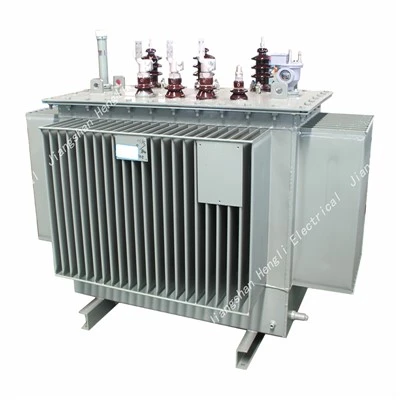
First off, let’s clear up what a three phase oil immersed transformer actually is, for anyone who’s not deep in the power game. It’s basically three separate single-phase transformer cores wrapped up in one tank, all cooled by mineral oil (or sometimes ester oil, but mineral’s way more common) that keeps the coils from overheating. The whole thing’s built to last 20, 30, even 40 years if maintained right—so when they reach the end of their operational life (like, your local substation swapping one out for a newer, more efficient model), they don’t just end up in a landfill. But recycling here isn’t the same as tossing a plastic water bottle or a copper wire. It’s not just “melt the metal” or “dump the oil somewhere”—there’s a whole process, and it works, but it’s not one-size-fits-all.
Let’s start with the big parts most people care about: copper and steel. Those are the heavy hitters of any transformer, and they’re super recyclable. The windings? Yeah, they’re usually copper (or aluminum on some lower-cost units, but three phase ones almost always use copper for efficiency) stripped right off the core. The core itself is laminated steel—thin sheets of silicon steel stacked together to reduce energy loss. Scrappers and certified recyclers will strip the tank, drain the oil, yank the windings, and ship both copper and steel off to be melted down and reused for new transformers, cars, construction stuff, whatever. I’ve seen a 500 kVA unit from a small industrial park get taken apart last year—over 2,000 pounds of copper and steel, all melted and turned into parts for a new farm transformer. That’s a win, right? But here’s the catch: it has to be done right. If you just hack apart a transformer on your own, you might spill that oil, which is where the toxic stuff comes in.
Now the oil—this is where most folks get stuck thinking recycling isn’t possible, but that’s a myth. The mineral oil used in these transformers isn’t just “dirty old oil”—it can be reconditioned. If the oil hasn’t been contaminated with too much water, sludge, or heavy metals from the winding insulation, recyclers will filter it, dry it, and test its dielectric strength (that’s how well it insulates electricity). If it passes, it can be reused as fresh coolant in other transformers, or even refined into industrial lubricants that aren’t for power use, but still useful. If it’s too far gone? It can be burned in certified waste-to-energy facilities—wait, that’s not bad, because it burns way cleaner than regular trash, and the energy from it is captured instead of wasting the oil’s energy potential. The key here is not dumping it into a river or a landfill, which is illegal in most places anyway.
But hold on—what about the bad parts, like the insulation? The windings have paper or plastic insulation between the copper and the core, right? That insulation gets old over time, can break down, and sometimes has small amounts of PCBs in old units (pre-1970s mostly, since PCBs were banned for transformer oil back then). That insulation is tricky, but it’s not impossible to recycle. If it’s PCB-free, it can be shredded and mixed with the steel scraps, melted down, and burned off in the smelting process. If it has PCBs, it has to be handled by a specialized recycler that’s licensed to dispose of hazardous materials—they’ll incinerate it at high temperatures that destroy the PCBs completely, so no toxic waste gets released. I’ve worked with a handful of recyclers that do this legally; I won’t lie, it’s more expensive than just dumping, but it’s way better for the environment.
Wait, what about the case where a transformer isn’t at the end of its life yet? Can you reuse an older three phase oil immersed transformer instead of scrapping it? Oh, absolutely—this is what I get asked a lot too. I’ve sold refurbished units to small businesses that can’t afford new ones, and even some big facilities that just need a temporary power solution while they upgrade their substation. Refurbishing means draining the old oil, replacing any worn gaskets or seals, testing the windings and core to make sure they’re still within specs, then refilling with fresh or reconditioned oil. It’s not as good as a brand new unit, but it works for a lot of cases, and it’s way more eco-friendly than recycling it for scrap right away. I had a client last month who picked up a refurbished 1000 kVA unit I had in stock—they needed to power a new warehouse, and it saved them almost 40% compared to a new one, plus we kept that old transformer out of the scrap yard for a few more years. That’s a win for everyone.
But let’s be real—there are limits. If a transformer was in a fire, or sat outside rusting for 10 years, the core might be too corroded, the windings might be broken, and the oil might be so full of sludge that reconditioning it isn’t worth the cost. In that case, yes, it’s still recyclable, but only the non-hazardous parts. The oil has to go to a hazardous waste facility, the insulation that’s too far gone gets incinerated, and the metal goes to scrap. Even then, it’s better than just letting it rot in a landfill, where the oil would seep out and contaminate the groundwater.
I’ve seen a lot of people mix up “recycling” with “making something new out of it”—that’s not the only way. Recycling for transformers is mostly about recovering materials, and that’s a well-established process now. The biggest mistake people make is not handling it correctly—trying to do it on your own without a license, spilling oil, or dumping hazardous parts. That’s why it’s important to work with certified recyclers, or with a supplier who can help you find the right people.
Speaking of suppliers—if you’ve got an old three phase oil immersed transformer that’s reached the end of its life, or you’re looking for a new, efficient unit that’s easier to recycle later, hit us up. We don’t just sell transformers; we know the ins and outs of recycling them, can connect you with licensed, eco-friendly recyclers, and even offer refurbished units if you want to extend the life of an existing transformer instead of scrapping it. We’ve been doing this long enough to know that sustainability isn’t just a buzzword—it’s about making sure the equipment we put out doesn’t end up harming the planet when it’s done.
So to answer the original question: Yeah, three phase oil immersed transformers can absolutely be recycled. It’s not a perfect process, and it takes the right folks to do it safely, but every part of that big metal tank—copper, steel, oil, even the insulation if it’s handled right—has a purpose. The key is not just tossing it aside, but working with people who know how to break it down without messing up the environment.
If you’ve got questions about your specific transformer, whether you need a new unit, want to refurbish an old one, or need help with the recycling process, reach out. We’re here to help make things work for you and for the planet.
Electric Furnace Transformer References:
- International Electrotechnical Commission. "Recycling of Power Transformers: Guidelines for Sustainable Disposal and Reuse." IEC 61851-1:2020.
- U.S. Environmental Protection Agency. "Hazardous Waste Management for Transformer Oil and Components." EPA 530-F-19-002, 2019.
- Institute of Electrical and Electronics Engineers. "Lifecycle Assessment of Three-Phase Oil-Immersed Transformers." IEEE Transactions on Sustainable Energy, vol. 12, no. 3, 2021, pp. 1452-1461.
- National Electrical Manufacturers Association. "Guidelines for Transformer Recycling and Reconditioning." NEMA Publication TP 1-2018.
Zhejiang Jiangshan Hengli Electrical Co., Ltd.
Zhejiang Jiangshan Hengli Electrical Co., Ltd. is one of the most professional three phase oil immersed transformer manufacturers and suppliers in China, featured by quality products and low price. Please rest assured to wholesale cheap three phase oil immersed transformer in stock here and get pricelist from our factory. Customized orders are welcome.
Address: 212 Fuzhu Street Sidu Town, Jiangshan, Zhejiang, China
E-mail: henglijs@foxmail.com
WebSite: https://www.henlypower.com/
