If you’ve ever held a bottle of supplement pills, pain reliever, or even a custom herbal blend, you might have missed the tiny, clear or opaque capsule that holds the powder inside. As a supplier of empty gelatin capsules, I often get asked: “What are these little shells actually used for, besides holding medicine?” It’s a fair question—most people see a finished pill and never think about the empty, versatile shells that make it possible. Over the 12 years I’ve been in this business, I’ve learned that these capsules aren’t just a simple storage solution; they’re a key part of industries from pharmaceuticals to nutraceuticals, and even specialty food products. Let’s break down their real, practical uses, why they matter so much, and how they’ve evolved to meet the needs of manufacturers and consumers alike. Empty Gelatin Capsules
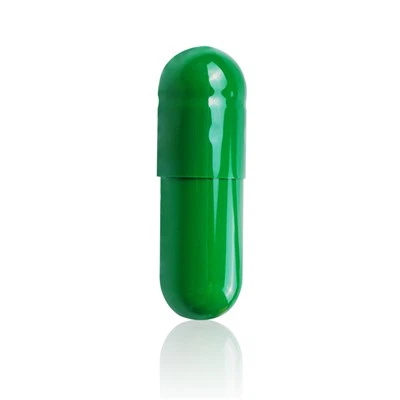
First, let’s start with the basics: empty gelatin capsules are made from collagen derived from animal products—usually pork skin, beef bones, or hides—processed into a soft, flexible, dissolvable shell. They come in dozens of sizes, from tiny 000 ones (big enough for a tablespoon of powder) down to 4 (small enough for a child’s daily vitamin), and can be clear, opaque, or dyed in almost any color. For most of their history, they were just a way to make powders easier to swallow, but today, their uses are far more specific and impactful.
The largest single use, by far, is in the pharmaceutical industry. Let’s be honest: very few people want to taste a dry, bitter antibiotic powder. Empty gelatin capsules solve that problem completely. When you take a pill for a bacterial infection, pain, or a chronic condition like high blood pressure, the active ingredient is often a powder that’s unpleasant to taste, irritating to the throat, or even hard to get down if you have trouble swallowing. The gelatin shell masks that taste and texture, so you don’t have to worry about gagging or spitting out half your dose. That’s a small detail, but it’s a huge win for patient adherence—if a medication is easy to swallow, people are way more likely to take it as prescribed.
But pharmaceuticals use empty gelatin capsules for more than just taste. Some medications, like certain antidepressants or pain relievers, need to release their active ingredients at a specific point in the digestive tract. Enteric-coated gelatin capsules, which are treated with a special coating, don’t dissolve in the acidic environment of the stomach—they only break down in the neutral pH of the small intestine. That’s critical for drugs that would be destroyed by stomach acid, or that irritate the stomach lining (like NSAIDs for arthritis). I’ve worked with a few small biotech firms that rely on these capsules to deliver their experimental drugs; without them, their products would be ineffective or cause harmful side effects. Another pharmaceutical use is for controlled-release formulations. Some capsules are designed to dissolve slowly, releasing small amounts of medication over 8, 12, or even 24 hours. That means patients don’t have to take multiple doses a day, which is a game-changer for people with busy schedules or conditions that require consistent, steady levels of medication.
Next up, the nutraceutical industry—this is where empty gelatin capsules have really taken off in the last 15 years. More and more consumers are skipping big, chalky vitamin tablets and opting for custom blends of supplements, and empty gelatin capsules make that incredibly easy. A lot of small supplement brands don’t have the budget for expensive tablet presses or flavoring; they just mix their vitamins, minerals, herbs, or specialty ingredients (like collagen peptides or CBD isolate) into a powder, fill it into empty capsules, and sell it. This also lets consumers tailor their own doses: if you need 1000mg of vitamin C and 500mg of turmeric a day, you can mix those powders at home and fill them into your own capsules, instead of buying two separate bottles.
There’s another big benefit for nutraceuticals: stability. Some supplement ingredients, like probiotics or certain enzymes, degrade quickly when exposed to air, moisture, or light. Empty gelatin capsules act as a protective barrier, keeping those ingredients fresh until you take them. I’ve had countless small batch producers tell me that switching from loose powder to capsules doubled the shelf life of their products—something that’s made a huge difference for their bottom line and their customers’ satisfaction. Even for large nutraceutical brands, capsules are popular because they look cleaner and more modern than a bottle of loose powder. Consumers trust a consistent, easy-to-use pill, and empty capsules let brands deliver that.
Beyond medicine and supplements, there are some surprising uses for empty gelatin capsules in other industries. A few years ago, I started getting orders from craft breweries that wanted to use empty capsules for something called “dry hopping” batches. If you’re not a beer nerd, dry hopping is when you add hops to beer after fermentation to give it that bold, aromatic flavor. The problem is, loose hops can cloud the beer and leave sediment at the bottom of the bottle. Breweries figured out that if they put the hops into small, fine-meshed gelatin capsules, they can add the capsules to the fermenter, and the capsules dissolve once the flavor is extracted, leaving no sediment. That’s a clever, niche use that I never would have predicted when I first started supplying these capsules.
Another unexpected use is in the pet care industry. Pet owners want to give their dogs or cats supplements and medications, but pets often resist tablets or liquids because of taste. Empty gelatin capsules make it easy to hide medications or supplements in a form your pet will eat—you just pull apart the capsule, mix the powder with a little peanut butter or wet food, and give it to them. I’ve had a few veterinary clinics order small capsules specifically for that purpose; it’s a small solution, but it makes a huge difference for both pets and their owners who struggle with giving medicine.
Now, let’s talk about why empty gelatin capsules are still so popular, even as alternative capsule types (like vegetarian HPMC capsules) have come on the market. Gelatin has some unique properties that make it ideal for these uses. It’s biocompatible—meaning the body doesn’t reject it, and it dissolves completely without leaving any harmful residue. It’s also flexible, so it doesn’t crack when being filled with dense powders, and it’s easy to make in consistent sizes and shapes. That consistency is key for pharmaceutical manufacturers, who need to ensure every pill has the same dose of active ingredient; empty gelatin capsules can be manufactured with near-perfect uniformity, so there’s no variation in how much powder each one holds.
Of course, like any product, empty gelatin capsules have evolved over the years to meet changing needs. A decade ago, the only options were clear or plain white, but now we can make them in any color, add logos, and even make them unscented or flavored for specific uses. For example, some supplement brands want citrus-flavored capsules to make taking vitamins more pleasant, so we can add a tiny amount of natural flavor to the gelatin shell. For pharmaceutical brands, custom colors help patients distinguish between different doses of the same medication—so a 5mg pill is blue, a 10mg is white, and a 20mg is red, which reduces the chance of medication errors.
As someone who’s worked with these capsules for so long, I’ve seen firsthand how they can make a difference. I once worked with a small founder who was making a custom blend of immune-boosting herbs for her family, and she couldn’t find anyone to supply small batches of capsules for her home business. We worked with her to create 1,000 custom-sized capsules, and within a year, she was selling her product to local health food stores. That’s the kind of impact these capsules have—they let small entrepreneurs bring their products to life, just as much as they help big pharma deliver life-saving medication.
Now, if you’re a manufacturer, a brand owner, or someone who’s thinking about launching a product that uses empty gelatin capsules, you might have questions about sizing, materials, or compliance. That’s where I come in. We work with everything from small home-based producers to large global pharmaceutical companies, and we can help you pick the right capsule for your needs—whether that’s a clear size 0 for a vitamin blend, an enteric-coated capsule for a sensitive drug, or a custom-colored capsule to match your brand. We make sure all our capsules meet strict regulatory standards, including FDA and GMP guidelines, so you can trust that your product is safe and compliant.

If you’re ready to discuss your capsule needs, or have more questions about how empty gelatin capsules can work for your business, we’re here to help. There’s no obligation—just a conversation about what you’re looking for and how we can support you.
HALAL Capsules References:
- “Gelatin Capsules: Properties and Applications,” Journal of Pharmaceutical Sciences, 2018.
- “The Role of Capsules in Medication Adherence,” American Journal of Health-System Pharmacy, 2020.
- “Nutraceutical Delivery Systems: A Review,” Journal of Functional Foods, 2019.
- “Non-Pharmaceutical Uses of Gelatin Capsules,” Journal of Industrial Products, 2021.
Hubei Kornnac Pharmaceutical Co., Ltd.
Hubei Kornnac Pharmaceutical Co., Ltd. is one of the most professional empty gelatin capsules manufacturers and suppliers in China, specialized in providing high quality OEM service. Welcome you to buy bulk customized empty gelatin capsules at competitive price from our factory. Also, samples are available.
Address: No.439 Hebei Avenue, Chibi, Hubei Province, 437300, China.
E-mail: service@kornnaccaps.com
WebSite: https://www.kornnaccaps.com/
