As a supplier of suspended storage tanks, I’ve witnessed firsthand the growing concerns about the environmental impacts of such industrial equipment. In this blog post, I’ll delve into the various environmental aspects associated with suspended storage tanks, exploring both the potential negative impacts and the steps we can take to minimize them. Suspended Storage Tank

Potential Negative Environmental Impacts
1. Leakage and Spills
One of the most significant environmental risks associated with suspended storage tanks is the potential for leakage and spills. These tanks are often used to store a variety of substances, including chemicals, oil, and water. If a leak occurs, it can contaminate the soil, groundwater, and surface water, leading to serious environmental damage.
Chemicals stored in suspended tanks can be toxic to plants, animals, and humans. For example, petroleum products can release harmful pollutants such as benzene, toluene, ethylbenzene, and xylene (BTEX) into the environment. These chemicals can cause respiratory problems, skin irritation, and even cancer. Similarly, spills of heavy metals or pesticides can have long – term consequences for soil fertility and the health of ecosystems.
2. Corrosion and Structural Failure
Over time, suspended storage tanks are subject to corrosion. Corrosion weakens the tank’s structure, increasing the risk of a sudden rupture or collapse. This can result in a large – scale release of the stored substance. Environmental factors such as humidity, temperature variations, and the presence of corrosive chemicals in the stored material can accelerate the corrosion process.
A structural failure due to corrosion can not only cause immediate environmental damage but also lead to long – term clean – up costs. The released substances may seep into the ground, contaminate water sources, and harm wildlife habitats. Moreover, the process of repairing or replacing a damaged tank can also have an environmental footprint, including the consumption of raw materials and energy during manufacturing and installation.
3. Energy Consumption during Operation
Suspended storage tanks often require energy for various operations. For instance, if the stored substance needs to be maintained at a specific temperature, heating or cooling systems may be used. These systems consume electricity or fossil fuels, contributing to greenhouse gas emissions.
In addition, pumps may be used to transfer the stored material in and out of the tank. The operation of these pumps also consumes energy. The continuous energy demand of these tanks can have a cumulative impact on the environment, especially if the energy sources are non – renewable.
4. Impact on Wildlife and Ecosystems
The presence of suspended storage tanks can have a direct and indirect impact on wildlife and ecosystems. Direct impacts can occur if a spill or leak affects the natural habitats of animals and plants. For example, an oil spill can coat the feathers of birds, making it difficult for them to fly and swim, and it can also contaminate the food sources of marine life.
Indirect impacts can be caused by the alteration of the natural landscape. The construction of storage facilities may require clearing of vegetation, which can disrupt the habitats of many species. Moreover, the noise and light pollution associated with the operation of these facilities can disturb wildlife behavior, leading to changes in their migration patterns, breeding habits, and foraging activities.
Strategies to Minimize Environmental Impacts
1. High – Quality Construction and Material Selection
To prevent leakage and corrosion, it is crucial to use high – quality materials in the construction of suspended storage tanks. For example, using corrosion – resistant metals such as stainless steel or fiberglass – reinforced plastics can significantly extend the lifespan of the tank and reduce the risk of leaks.
Thicker walls and better – designed joints can also enhance the tank’s structural integrity. During the manufacturing process, strict quality control measures should be implemented to ensure that the tanks meet industry standards and regulations.
2. Regular Inspection and Maintenance
Regular inspections are essential to detect early signs of leakage, corrosion, or structural damage. Inspection methods can include visual inspections, ultrasonic testing, and magnetic particle testing. By identifying problems early, prompt repairs can be made, preventing more serious environmental damage.
Maintenance activities should also be carried out regularly. This includes cleaning the tanks, checking the integrity of valves and pipes, and repainting or coating the tank to prevent corrosion. A well – maintained tank is less likely to experience leaks or structural failures.
3. Energy – Efficient Design and Operation
To reduce energy consumption, suspended storage tanks can be designed with energy – efficient features. For example, insulation can be added to the tank to reduce heat transfer, minimizing the need for heating or cooling. Energy – efficient pumps and motors can also be installed to reduce electricity consumption during material transfer.
In addition, the use of renewable energy sources such as solar panels or wind turbines can be considered to power the tank’s operations. This not only reduces greenhouse gas emissions but also helps to lower long – term operating costs.
4. Environmental Monitoring and Contingency Planning
Implementing environmental monitoring programs around the storage tank facilities can help to detect any potential environmental impacts early. Monitoring can include testing the soil, groundwater, and air quality in the vicinity of the tanks.
Contingency plans should also be developed in case of a spill or leak. These plans should outline the steps to be taken to contain the spill, clean up the affected area, and minimize the environmental damage. Training employees on these contingency plans is essential to ensure a rapid and effective response in case of an emergency.
Our Commitment as a Supplier
As a supplier of suspended storage tanks, we are committed to minimizing the environmental impacts of our products. We use the latest technologies and high – quality materials in the manufacturing process to ensure the durability and safety of our tanks. Our engineering team is constantly researching and developing new designs to improve energy efficiency and reduce the risk of leakage.
We also provide comprehensive after – sales service, including regular inspection and maintenance programs. Our technicians are trained to identify and address potential problems before they become serious. In addition, we offer training to our customers on the proper use and operation of our tanks, as well as on environmental protection and contingency planning.
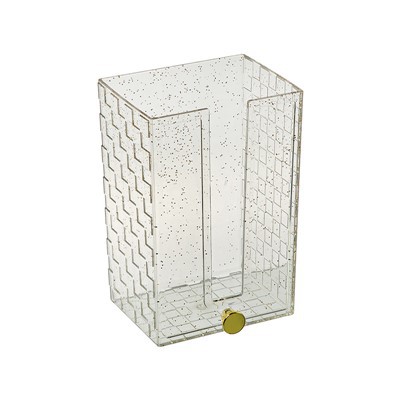
We believe that by working together with our customers, we can not only meet their storage needs but also contribute to a more sustainable environment. If you are in the market for a suspended storage tank, we invite you to contact us for a consultation. We can provide you with detailed information about our products, their environmental features, and how we can help you minimize the environmental impacts associated with your storage operations.
Household Storage Box Let’s work together to make a positive difference in the environment while ensuring the efficient and safe storage of your valuable substances.
References
- American Petroleum Institute (API). API Standard 650, Welded Steel Tanks for Oil Storage.
- National Fire Protection Association (NFPA). NFPA 30, Flammable and Combustible Liquids Code.
- Environmental Protection Agency (EPA). Regulations for the Storage and Handling of Hazardous Substances.
- International Organization for Standardization (ISO). ISO 9001:2015, Quality Management Systems.
Hangzhou Cheerhope New Materials Co., Ltd.
As one of the most professional suspended storage tank manufacturers and suppliers in China, we offer a wide range of products with superior quality. Please rest assured to wholesale bulk durable suspended storage tank made in China here from our factory. Contact us for more discount information.
Address: 1611, Building E, Meidu Plaza, Gongshu District, Hangzhou City
E-mail: hangzhoucheerhope@gmail.com
WebSite: https://www.chinastoragebox.com/
