If you’ve ever stood next to a data center during a heatwave, you’ve probably felt that weird mix of a commercial HVAC hum and the sharp, metallic tang of slightly overworked air. As a condenser supplier, I’m on the front lines of that chaos—talking to data center engineers at 9 a.m. about load specs, troubleshooting failed units at 2 p.m., and fielding “wait, your product can handle what?” calls at 10 p.m. when a server farm in Phoenix hits 115°F (that’s 46°C, for my metric folks). Most people think data center cooling is just big fans blowing over wet pipes, but condensers are the unsung workhorses here. They’re the parts that carry all the junk heat from servers out of the building, and lately? They’re pulling way more than they were ever designed for. Let’s break down the biggest headaches we’re dealing with right now. Condenser

First up, let’s talk about the heat itself—climate change isn’t a distant problem for data centers, it’s a 24/7 issue sitting right on their rooftops. Back in the day, most condensers were sized for 95°F (35°C) dry bulb ambient air. Now? Many southern US cities, the Middle East, and parts of Southeast Asia are pushing 110°F (43°C) for weeks on end, and that’s the dry bulb. When you add humidity? That’s where things get ugly. Condensers work by transferring heat from the refrigerant inside the coils to the outside air. If the air outside is hotter than the refrigerant’s saturation temperature, that transfer stalls. It’s like trying to cool a soda can by holding it next to a blow dryer—it’s just not happening. I had a client in Dallas last summer whose 10-year-old condenser bank was built for 100°F max ambient. By July, their refrigerant was running 10°F higher than it should have, so their compressors kicked on more often, used 20% extra electricity, and they had three fan motors burn out in 6 weeks. We retrofitted them with higher-temperature condensers, but that’s not a one-size-fits-all fix. A lot of older facilities don’t have the structural capacity to hold larger condenser units, and upgrading the electrical service to power them? That’s a six-month permit headache and a six-figure cost. Plus, new builds are cramming more servers into smaller spaces now—AI models, for example, can use 10x more power than regular web servers. I had a guy from a Gen AI startup tell me their new data center in Denver is running 250W per square foot, up from the standard 100W. That means every condenser in their system is moving twice as much heat as they were rated for, so they’re operating at 120% load 24/7. We designed custom condensers for them, but it’s not just about cranking up the BTU rating—you have to account for air flow, coil density, and even the static pressure from all the other equipment around them.
Next, there’s the dirty little secret of condenser maintenance: water quality. Most large data centers use evaporative condensers, right? They’re efficient, use less electricity than air-cooled ones, but they rely on water trickling over the coils to pull heat away. That water isn’t pure—it’s tap water, groundwater, or recycled wastewater, which has all sorts of gunk in it: minerals, scale, bacteria, even debris from wind and dust. When that water evaporates, it leaves behind those minerals on the condenser coils. Scale buildup is like insulation for your heat transfer surface. A thin layer of limescale, like from hard water in Arizona, can reduce a condenser’s efficiency by 15-20% in just 6 months. And if that gunk isn’t bad enough, there’s microbiological growth—Legionella, mold, biofilm. A few years back, a data center in Chicago had to shut down a whole wing for 3 days because their condenser had a Legionella outbreak, and OSHA made them drain and clean every unit. We had to send a team out with acid cleaners and pressure washers to help, and the client ended up ordering four new condenser coils because the existing ones were too corroded from the harsh chemicals they used to clean the scale. The worst part? Even with regular water treatment—biocides, pH adjusters, softeners—you’re always playing catch-up. You have to test the water every single day, adjust the chemicals when the ambient humidity changes, and replace filters every 2 weeks. For data centers that run 24/7/365, any downtime is millions of dollars lost. I’ve had a client in Singapore tell me they budget $50,000 a month just for water treatment and condenser maintenance, and that’s after installing auto-cleaning systems. And don’t get me started on the cost of cleaning or replacing condenser coils—you can’t just pop them out while the data center is running. You have to shut down a section of the cooling system, which means moving load to other condensers, and that stresses out the rest of the equipment. It’s a domino effect that keeps facility managers up at night.
Then there’s the noise and space problem, especially for urban data centers. A lot of new data centers are going up in or near big cities to be closer to fiber lines and power grids. But zoning laws in places like New York, London, and Tokyo have strict noise limits—some as low as 55 decibels, which is like normal conversation. Condensers are loud. A standard air-cooled condenser can put out 70-80 decibels at full load, which is like a lawn mower. Evaporative ones are even louder because of the water pumps and the air moving through the cooling tower. So you have to muffle them, with sound barriers, insulated fan blades, and noise-dampening enclosures. But all that stuff takes up space. Urban data centers are built vertically, like office buildings but with racks of servers on every floor. Rooftop space is at a premium—you can’t just stack 10 big condenser units there because you have to leave room for access, ventilation, and emergency equipment. I had a client in Brooklyn that had to fit 12 condensers on a rooftop that’s only 2,000 square feet. We had to design smaller, high-density condensers with shorter fan blades and quieter motors, but even then, they had to add custom sound barriers that took up another 200 square feet. And the smaller the condenser, the more important airflow is. If you cram too many units too close together, they start sucking in hot air from each other’s exhaust. That’s called recirculation, and it can raise the ambient air temperature around the condensers by 5-10°F without you even noticing. One of my biggest clients in Atlanta didn’t figure this out until their energy bill jumped by 18% in a quarter. They had 8 condensers lined up too tight, so each one was blowing hot air at the next, making all of them work harder. We had to rearrange them, add gaps between units, and put in vent hoods to direct the exhaust away. That cost them $120,000, but it saved them $30,000 a month on electricity. The moral here? Space isn’t just about where you put the condensers—it’s about how they interact with each other, and that’s something a lot of data center engineers don’t plan for until it’s too late.
Wait, let’s not forget about electrical and grid instability. More condensers mean more electrical load, especially in places where they run on compressors and fans. A large data center’s cooling system can use up to 40% of its total power, and condensers are a big chunk of that. When the grid has outages, or even just voltage fluctuations, condensers take a hit. Motors can burn out if the voltage drops too low, and compressors short cycle if the power comes back on too quickly after an outage. I’ve seen condensers get fried during a thunderstorm in North Carolina because the grid had a transient voltage spike, and the surge protectors were undersized. But lately, it’s not just outages—grid stress during peak demand times. Places like California and Texas have “critical peak periods” in the summer when everyone is running AC, and the grid asks large facilities to cut back on power use. But if you reduce power to condensers, you reduce their cooling capacity, which can make servers overheat. It’s a catch-22. Some data centers are turning to variable frequency drives (VFDs) to adjust the fan and motor speed based on heat load, but VFDs can cause their own problems—they create electrical noise that can interfere with the server electronics, and they add another point of failure. We’ve had to build VFD compatibility into our condensers for most new clients, but that adds cost and requires extra testing to make sure it doesn’t mess with the data center’s power quality. Also, as more data centers switch to renewable energy—solar, wind—there’s the added issue of intermittent power. Solar only works during the day, wind is inconsistent, so condensers have to be able to switch between grid power and battery power quickly. That means they need to be designed to handle variable power inputs, which not all condensers are. I had a client in Arizona that went solar last year, and their old condensers kept shutting off unexpectedly when the solar output dropped. They had to replace three units with ones that have better power management, and that’s a cost they didn’t budget for when they installed the solar panels.
And let’s talk about the circular economy angle, because that’s huge right now. A lot of facility managers want to replace old condensers with more efficient models to save energy, but the upfront cost is massive. A single large condenser unit can cost $50,000 to $100,000, and for a data center with 20 units, that’s $1 million or more. Then there’s disposal—old condensers have copper coils, aluminum parts, and refrigerants that are often ozone-depleting or high-GWP (global warming potential). We’ve had clients in Europe that have to pay special fees to dispose of old condensers because of the F-Gas regulations. So instead of replacing them, a lot of data centers keep running old, inefficient condensers that use way more power. But retrofitting isn’t always the answer either. We can upgrade coils, add VFDs, or do chemical treatments to improve efficiency, but if the condenser is 15 years old and has corrosion in the pipes, those fixes only go so far. I had a client in Chicago that spent $200,000 retrofitting their old condensers, only to have two of them fail within a year because of internal corrosion. It turns out the original manufacturer used low-grade steel in the pipes, which we didn’t catch during the inspection. Now they’re looking at full replacement, but they’re stretched thin on budget. Also, the supply chain issues post-pandemic haven’t helped. Lead times for custom condensers can be 12-16 weeks, up from 4 weeks pre-2020. So if a condenser fails during a heatwave, you’re stuck waiting for a replacement, and that means your data center is at risk of overheating. We’ve had to build a stock of high-demand condenser models at our warehouse to help clients get up and running faster, but that ties up a lot of capital.
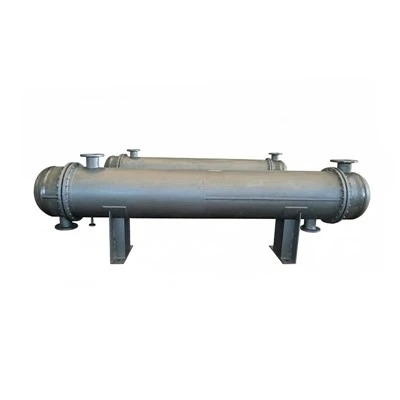
At the end of the day, the biggest challenge with condensers in data centers is that no one’s designing the cooling system to keep up with what’s coming next. AI, edge data centers, stricter emissions rules, and climate change are all pushing condensers beyond their original specs. And since we’re the supplier talking to clients every day, we see all this stuff before it becomes a big, costly problem. The good news is, there are solutions—custom high-temperature condensers, self-cleaning coils, better airflow design, and even hybrid systems that combine air and evaporative cooling. But it takes communication between us, the condenser people, and the data center engineers early on, not when the condenser is already failing. If you’re dealing with overheating, high energy bills, or just trying to plan for future growth with your cooling system, we’re here to help you work through the challenges, not just sell you a part. Drop us a line to chat about what your data center needs, and we can walk through the options that make sense for your setup and budget.
Finned Heat Exchanger References:
ASHRAE. (2022). Data Center Cooling Best Practices. ASHRAE Journal.
U.S. Environmental Protection Agency. (2023). Energy Efficiency in Commercial Data Centers. EPA Report 430-R-23-002.
International Energy Agency. (2024). Data Center Heat Management and Climate Resilience. IEA Special Report.
National Fire Protection Association. (2023). NFPA 75: Standard for Fire Protection of Information Technology Equipment.
Legionella Control Association. (2022). Best Practices for Evaporative Cooling System Maintenance. LCA Technical Bulletin.
Jiangsu Huanyang Equipment Technology Co., Ltd.
As one of the most professional condenser manufacturers and suppliers in China, we have world-leading production equipment and strong manufacturing capabilities. Please feel free to wholesale customized condenser made in China here from our factory. Contact us for pricelist.
Address: Room 20D, No.18 Dingxiang East Road, Wuxi City, Jiangsu Province, China
E-mail: myj-huanyang@126.com
WebSite: https://www.hy-equip.com/
