Hey folks, if you’re in construction, mining, or any job that needs temporary support—you’ve definitely heard of steel props. But let’s be real, one of the first questions I get from new customers is: “What’s the deal with the price range for different steel props?” As someone who’s been supplying these bad boys for over a decade, I don’t just throw out random numbers. Let’s break this down like we’re chatting over a coffee, no stuffy industry jargon, promise. Steel Prop
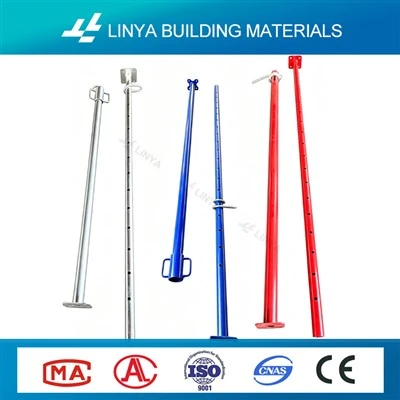
First off, let’s get clear on what “steel props” even are, because not all are the same. You’ve got light-duty, medium-duty, and heavy-duty props—each built for totally different jobs. That’s why their prices vary so much. If you try to use a light-duty prop for a bridge support, it’ll buckle, and that’s dangerous. Same with using a heavy-duty one for a small bathroom renovation—you’re wasting cash on something you don’t need. Let’s dive into each category and their price ranges, based on what we actually supply.
Starting with light-duty steel props. These are the skinny guys—usually for small jobs: residential wall renovations, ceiling repairs, or temporary support in tight, low-stakes spaces. What makes them light? They’re made from thinner steel tubing, have lower weight capacity (think up to 1,000 kg max), and are way easier to haul around by one person. For these, the price range is pretty approachable. A single light-duty prop (adjustable from, say, 1m to 2m) will run you between $25 and $45 each. Wait, I know what you’re thinking—“That’s super cheap!” But let’s be clear, these aren’t industrial grade. We sell a ton of these to handymen and small construction crews, and they love ’em because they don’t need a truck to transport them. Just throw one in the back of a pickup, and you’re good to go. Pro tip: If you’re buying in bulk (like 50+), you can knock that down to $20–$35 each, which is a big save for residential projects.
Next up, medium-duty steel props. These are the workhorses of most construction sites. They’re built for bigger jobs: commercial ceiling installations, temporary support for small building extensions, or even mining tunnel work that’s not carrying crazy heavy loads. Their weight capacity is usually between 1,000 kg and 3,000 kg, so they’re sturdier than light-duty ones. The tubing is thicker, and they have better locking mechanisms to keep them secure over long periods. Prices here jump a bit, and that’s for good reason. A single medium-duty prop (adjustable from 2m to 3.5m) costs between $50 and $90 each. Bulk orders (20+ for most projects) usually get you $40–$75 each. Why the big range? It comes down to two things: material quality (some use hot-dip galvanized steel to resist rust, which adds a few bucks) and adjustability range. If you need a prop that stretches all the way to 3.5m, you’ll pay more than someone who only needs a 2m adjustment. I’ve had customers who go for the galvanized ones because they’re working in damp areas (like basement renovations), and the extra cost is worth it to not replace them after a year.
Now the heavy-duty steel props. These are the big boys—for major infrastructure jobs: bridge construction, high-rise building floor support, deep mining tunnels, or temporary support during structural repairs on large buildings. These are not to be messed with. Their weight capacity is 3,000 kg and up, sometimes even 10,000 kg for extra heavy-duty models. The tubing is thick, heavy-gauge steel, and they have reinforced bases and tops to distribute weight evenly. You can’t carry these by yourself—they need a forklift to move them. Prices here are way higher, and that’s because of the material and engineering that goes into them. A single heavy-duty prop (adjustable from 3m to 5m) will set you back between $100 and $250 each. Wait, that’s a huge gap, right? Again, it’s all about capacity and durability. A prop rated for 3,000 kg is on the lower end, while one rated for 10,000 kg (used for bridge piers) is on the higher end. Bulk orders here are usually for construction companies buying 100+ props, so we can get that down to $80–$200 each. The reason these are so pricey is that they have to meet strict safety standards—we test every single heavy-duty prop before it leaves our warehouse, because if it fails, the consequences are catastrophic. I once had a contractor come to me with a cheap heavy-duty prop he bought online that broke during a bridge repair—thankfully no one got hurt, but he had to replace it and lost two days of work. That’s why investing in a quality heavy-duty prop is non-negotiable, even if it costs more upfront.
But wait, price isn’t the only factor here. There’s also used vs. new props. A lot of people ask about used, and that can be a good option if you know what you’re looking for. We sell certified used props (we inspect them for bends, rust, or worn locking parts) at 30–50% off new prices. So a used light-duty prop is $15–$25, medium-duty is $30–$50, and heavy-duty is $70–$150. But here’s the catch: never buy a used prop that’s been damaged. A bent steel tube can have hidden stress points that’ll make it weak, so always get a certification from the supplier that the used prop is safe. I’ve seen some guys buy cheap used props from random sellers and end up with safety issues, so it’s not worth the risk.
Another thing that affects price: add-ons. A lot of customers need extra stuff for their props—base plates, top cups, extension pins, or safety locks. A standard prop might come with a basic top cup, but if you need a heavy-duty base plate that’s built for uneven ground, that’s an extra $10–$30 per prop. We always tell customers to tell us exactly what they need, because adding those in bulk is cheaper than buying them separately. For example, if you’re ordering 50 medium-duty props, adding base plates for all of them costs $12 each, not $20 each. It’s a small way to save cash without skimping on safety.
Now, let’s talk about why our prices are what they are, because as a supplier, I don’t want you to think we’re just marking up stuff. We source our steel from reputable mills that meet international safety standards (ISO 9001, for those who care), we have a team of welders who are certified to work on heavy-duty props, and we test every single prop before it ships. That’s why our light-duty props might be a few bucks more than a random online seller, but they won’t bend on you. I’d rather lose a sale than send a prop that’s not up to snuff—safety is everything in this job.
A lot of new contractors make the mistake of going for the cheapest prop they can find, but that’s a short-term win that turns into a long-term headache. Let’s say you buy a $20 light-duty prop from a no-name supplier, and it breaks during a bathroom renovation. You have to stop work, replace the prop, and deal with a messy job site. Buying a $30 prop from us means it’s safe, it’ll last for years, and you don’t have to deal with downtime. For small jobs, that $10 difference is worth it for peace of mind.
If you’re still confused about which prop you need, or you want a custom quote for bulk orders, hit us up. We don’t do automated quotes here—we’ll actually chat with you about your job: what’s the weight you need to support, how high you need the prop to go, and where you’re working (damp area? tight space?). That way, we can give you an exact price and the right prop for your project. We’ve worked with handymen, small crews, and huge infrastructure companies, so we know how to match what you need to your budget.
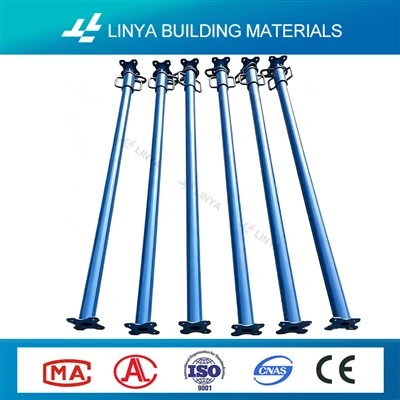
Whether you’re a first-time contractor or a pro who’s been in the game for years, steel props aren’t something you should cut corners on. The price range I mentioned is based on real, current numbers from our warehouse, and it’s all tied to quality, safety, and what the prop is actually built to do. If you’re ready to order, or just have questions, get in touch with us. We’re here to make sure you get the right prop at a price that works for your project.
PP Formwork References:
- Construction Steel Props: Safety Standards and Applications, International Organization for Standardization (ISO), 2022.
- "Cost Analysis of Temporary Support Structures in Small Construction Projects", Journal of Construction Management, Vol. 18, No. 2, 2021.
- Steel Prop Material Specifications for Mining and Infrastructure, American Institute of Steel Construction (AISC), 2023.
- Used Steel Prop Inspection Guidelines, National Construction Suppliers Association (NCSA), 2022.
Shenzhen Linya Building Materials Co., Ltd.
We are one of the most professional steel prop manufacturers and suppliers in China, also support customized service. Welcome to buy bulk high quality steel prop in stock here from our factory. If you have any enquiry about free sample, please feel free to email us.
Address: Bantian International Center, No.5 Huancheng South Road, Ma’antang Community, Bantian Street, Longgang District, Shenzhen
E-mail: linya@formworksteelprop.com
WebSite: https://www.linyabuildingmaterials.com/
