Can an Outer Ball Joint Cause a Vibration at High Speeds?
As a dedicated outer ball joint supplier, I’ve witnessed firsthand the critical role these components play in a vehicle’s suspension system. The question of whether an outer ball joint can cause a vibration at high speeds is one that frequently surfaces among car enthusiasts, mechanics, and everyday drivers. In this blog, I’ll delve into the science behind outer ball joints, how they can contribute to vibrations at high speeds, and what you can do to address the issue. Outer Ball Joint

Understanding Outer Ball Joints
Before we explore the relationship between outer ball joints and high-speed vibrations, it’s essential to understand what these components are and how they function. An outer ball joint is a crucial part of a vehicle’s suspension system, connecting the steering knuckle to the control arm. It allows for smooth movement and flexibility, enabling the wheels to turn and pivot as the vehicle maneuvers.
The outer ball joint consists of a ball stud and socket, which are designed to accommodate a wide range of motion while maintaining a secure connection. The ball stud is attached to the steering knuckle, while the socket is housed in the control arm. This arrangement allows the wheel to move up and down as the vehicle traverses uneven terrain while also enabling the steering to function correctly.
How Outer Ball Joints Can Cause High-Speed Vibrations
Now that we have a basic understanding of outer ball joints, let’s explore how they can contribute to vibrations at high speeds. There are several ways in which a faulty or worn outer ball joint can cause vibrations:
1. Excessive Play
Over time, the ball stud and socket in an outer ball joint can wear down, causing excessive play or looseness. This play can lead to uneven tire wear and cause the wheel to vibrate as the vehicle moves. At high speeds, these vibrations can become more pronounced, making the steering wheel shake or the entire vehicle feel unstable.
2. Damaged Boot
The outer ball joint is protected by a rubber boot, which prevents dirt, debris, and moisture from entering the joint. If the boot is damaged or torn, it can allow contaminants to enter the joint, causing accelerated wear and damage. This can lead to a loss of lubrication, increased friction, and ultimately, vibrations at high speeds.
3. Misalignment
A worn or damaged outer ball joint can also cause the wheel to become misaligned. When the wheel is misaligned, it can create an uneven distribution of weight on the tire, causing it to wear unevenly and vibrate. This misalignment can become more noticeable at high speeds, especially when the vehicle is traveling on a straight road.
4. Balance Issues
In some cases, a faulty outer ball joint can cause balance issues with the wheel. When the wheel is not balanced correctly, it can create vibrations that can be felt throughout the vehicle. These vibrations can be particularly noticeable at high speeds, as the centrifugal force causes the imbalance to become more pronounced.
Signs of a Faulty Outer Ball Joint
To determine whether a faulty outer ball joint is causing the vibrations at high speeds, it’s essential to look for the following signs:
1. Vibrations in the Steering Wheel
One of the most common signs of a faulty outer ball joint is vibrations in the steering wheel. These vibrations can be felt while driving at high speeds and may become more pronounced as the vehicle accelerates.
2. Uneven Tire Wear
A worn or damaged outer ball joint can cause uneven tire wear, which can be seen as bald spots or excessive wear on one side of the tire. This uneven wear can lead to vibrations and handling issues, especially at high speeds.
3. Clunking or Knocking Noises
If you hear clunking or knocking noises coming from the front of the vehicle, especially when going over bumps or making turns, it could be a sign of a faulty outer ball joint. These noises indicate that the joint is loose or worn and may need to be replaced.
4. Steering Wheel Wander
A faulty outer ball joint can also cause the steering wheel to wander or pull to one side. This can make it difficult to keep the vehicle traveling in a straight line, especially at high speeds.
Addressing High-Speed Vibrations Caused by Outer Ball Joints
If you suspect that a faulty outer ball joint is causing the vibrations at high speeds, it’s important to address the issue as soon as possible. Ignoring the problem can lead to further damage to the suspension system and increase the risk of a dangerous accident.
1. Inspection
The first step in addressing high-speed vibrations caused by outer ball joints is to have the vehicle inspected by a qualified mechanic. The mechanic will perform a thorough inspection of the suspension system, including the outer ball joints, to determine the cause of the vibrations.
2. Replacement
If the mechanic determines that the outer ball joint is faulty, it will need to be replaced. It’s important to use high-quality replacement parts to ensure the longevity and performance of the suspension system. As an outer ball joint supplier, I can provide you with a wide range of high-quality outer ball joints that are designed to meet or exceed OEM specifications.
3. Alignment
After the outer ball joint has been replaced, it’s important to have the vehicle’s wheels aligned. Proper wheel alignment ensures that the tires wear evenly and helps to prevent vibrations and handling issues.
4. Regular Maintenance
To prevent future problems with the outer ball joints, it’s important to perform regular maintenance on the suspension system. This includes inspecting the ball joints for wear and damage, replacing the rubber boots as needed, and keeping the suspension system lubricated.
Contact Us for Your Outer Ball Joint Needs
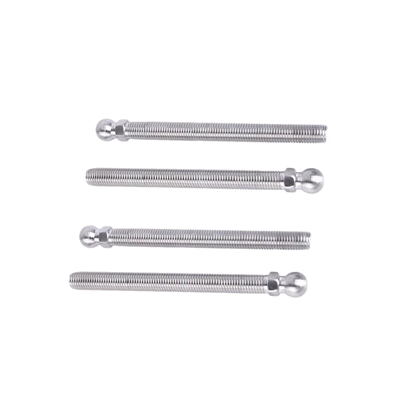
As a leading outer ball joint supplier, I am committed to providing high-quality products and excellent customer service. If you are experiencing high-speed vibrations or have any other concerns about your vehicle’s suspension system, I encourage you to contact me. I can help you determine the cause of the issue and provide you with the right outer ball joint for your vehicle.
Outer Ball Joint Whether you are a mechanic, a car enthusiast, or an everyday driver, I am here to help. Contact me today to discuss your outer ball joint needs and to learn more about how I can assist you in keeping your vehicle running smoothly and safely.
References
- Bosch Automotive Handbook
- Chilton’s Automotive Repair Manual
- Haynes Repair Manuals
Taizhou Huazhe Auto Parts Co., Ltd.
As one of the most professional outer ball joint manufacturers and suppliers in China, we’re featured by quality products and low price. Please rest assured to buy bulk high-grade outer ball joint in stock here from our factory. For pricelist, contact us now.
Address: No. 2828, Binkang Avenue, Sanjia Street, Taizhou Bay New Area, Taizhou City, Zhejiang Province
E-mail: 19906762800@163.com
WebSite: https://www.huazheindustry.com/
