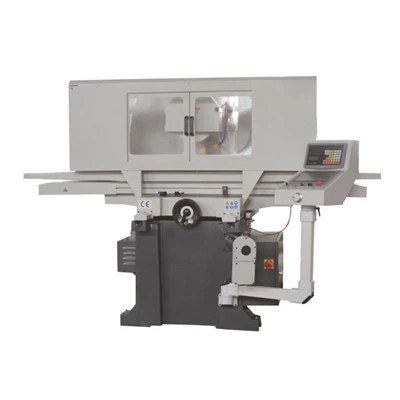
As a provider of Horizontal Surface Grinders, I’ve witnessed firsthand the paramount importance of grinding efficiency in modern manufacturing. Efficiency isn’t just about speed; it encompasses precision, cost – effectiveness, and overall productivity. In this blog, I’ll share some key strategies and insights on how to enhance the grinding efficiency of a Horizontal Surface Grinder. Horizontal Surface Grinder
Choosing the Right Grinding Wheel
The grinding wheel is the heart of the horizontal surface grinder. Selecting an appropriate grinding wheel based on the workpiece material is crucial. For example, when grinding ferrous metals like steel, wheels with abrasive grains such as aluminum oxide are often used. Aluminum oxide has good wear resistance and can effectively remove material from steel surfaces. On the other hand, for non – ferrous metals like aluminum or copper, silicon carbide wheels are a better choice. Silicon carbide is sharper and can provide a smoother finish on these softer materials.
Moreover, the grit size of the grinding wheel also affects efficiency. A coarser grit size (lower grit number) is suitable for rapid material removal in the rough grinding stage. It can quickly reduce the volume of the workpiece, saving time. In contrast, a finer grit size (higher grit number) is used in the finishing stage to achieve a high – quality surface finish. By correctly matching the grit size with the grinding stage, we can optimize the overall grinding process.
Another aspect to consider is the wheel structure. A dense structure wheel is good for precision grinding and obtaining a smooth surface, while an open – structured wheel is more suitable for heavy – duty grinding as it allows chips to be evacuated more easily, reducing clogging and heat build – up.
Optimizing Workpiece Fixturing
Proper workpiece fixturing is essential for efficient grinding. When the workpiece is not properly fixed, it can cause vibrations during the grinding process. These vibrations not only lead to a poor surface finish but also reduce the efficiency of material removal. There are several ways to ensure secure workpiece fixturing.
Using clamps and vises is a common approach. Make sure the clamps are tightened evenly to prevent the workpiece from shifting. Magnetic chucks are also widely used in horizontal surface grinding, especially for ferromagnetic materials. They provide a strong and stable holding force, and the workpiece can be quickly and easily loaded and unloaded.
For irregularly shaped workpieces, custom – made fixtures may be required. These fixtures should be designed to hold the workpiece firmly in place, aligning it accurately with the grinding wheel. By minimizing workpiece movement, we can increase the grinding accuracy and efficiency, as the grinding wheel can work on the designated area consistently.
Correct Machine Setup and Calibration
Before starting the grinding process, it is vital to set up and calibrate the horizontal surface grinder correctly. First, check the alignment of the grinding wheel and the workpiece table. Any misalignment can result in uneven grinding and reduced efficiency. Use precision measuring tools such as dial indicators to ensure the parallelism between the grinding wheel and the table.
Adjust the grinding wheel speed according to the type of wheel and the workpiece material. For example, harder materials usually require a lower grinding wheel speed to avoid excessive wheel wear and workpiece damage. The feed rate also needs to be optimized. A too – high feed rate may cause the grinding wheel to overload and reduce the surface quality, while a too – low feed rate will waste time. Experiment with different feed rates to find the optimal value for each specific grinding task.
Regular maintenance and calibration of the machine are also crucial. Check the hydraulic system, lubrication system, and electrical components regularly. A well – maintained machine will operate more smoothly and efficiently, reducing the likelihood of breakdowns and downtime.
Cooling and Lubrication
During the grinding process, a significant amount of heat is generated due to the friction between the grinding wheel and the workpiece. Excessive heat can cause thermal damage to the workpiece, such as surface hardening, cracking, and reduced dimensional accuracy. Therefore, proper cooling and lubrication are essential.
Coolant plays a vital role in grinding. It helps to reduce the temperature at the grinding zone, flush away chips, and improve the surface finish. There are different types of coolants available, such as water – based coolants and oil – based coolants. Water – based coolants are more common as they are cost – effective and have good cooling properties. However, they may require proper maintenance to prevent bacterial growth. Oil – based coolants provide better lubrication but are more expensive and may pose environmental challenges.
The coolant should be applied at the right flow rate and pressure. A sufficient flow of coolant ensures that the grinding zone is effectively cooled, and chips are removed promptly. In addition, the coolant should be evenly distributed across the grinding area to avoid hot spots.
Operator Skill and Training
The skill and knowledge of the operator have a significant impact on the grinding efficiency. An experienced operator can make better decisions regarding grinding parameters, workpiece handling, and machine operation.
Training programs should be provided to operators to familiarize them with the horizontal surface grinder. They should learn about the different types of grinding wheels, how to select the appropriate one for each job, and how to dress the wheel properly. Dressing the grinding wheel regularly helps to maintain its cutting ability and shape, improving the grinding efficiency.
Operators should also be trained in safety procedures. A safe working environment is essential for efficient production. By following safety guidelines, operators can avoid accidents that may lead to machine downtime and injuries.
Process Monitoring and Continuous Improvement
Implementing a process – monitoring system can help to identify inefficiencies in the grinding process. Sensors can be used to measure parameters such as grinding force, temperature, and vibration. By analyzing these data, we can detect any abnormal conditions early and take corrective actions.
For example, if the grinding force suddenly increases, it may indicate that the grinding wheel is worn out or the feed rate is too high. By adjusting the relevant parameters in time, we can prevent further problems and improve the grinding efficiency.
Continuous improvement is an ongoing process. Regularly review the grinding process and collect feedback from operators. Based on the analysis of process data and operator feedback, identify areas for improvement and implement changes. Whether it’s optimizing the grinding wheel selection, adjusting the machine settings, or improving the workpiece fixturing, small changes can accumulate over time to yield significant improvements in efficiency.
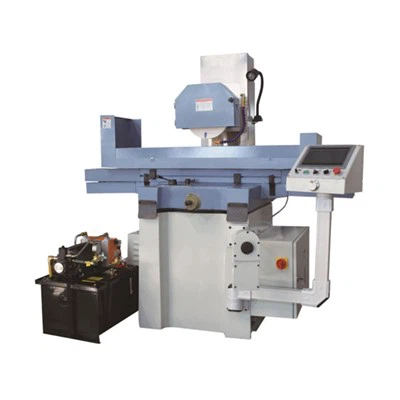
In conclusion, improving the grinding efficiency of a Horizontal Surface Grinder involves a combination of factors, including choosing the right grinding wheel, optimizing workpiece fixturing, correct machine setup and calibration, proper cooling and lubrication, operator skill and training, and process monitoring with continuous improvement. By paying attention to these aspects, manufacturers can achieve higher productivity, better surface quality, and reduced costs.
Precision Surface Grinder If you’re interested in optimizing your grinding process or purchasing a high – quality Horizontal Surface Grinder, I encourage you to reach out to discuss your specific requirements. We’re committed to providing the best solutions to meet your manufacturing needs.
References
- "Modern Grinding Technology" – By Stephen Malkin
- "Grinding Handbook" – By Robert A. Schmitz
- "Manufacturing Engineering and Technology" – By Serope Kalpakjian and Steven R. Schmid
Wuxi Mingxu Machinery Equipment Co., Ltd.
As one of the most professional horizontal surface grinder manufacturers and suppliers in China, we’re featured by quality products and good price. Please rest assured to buy the best horizontal surface grinder for sale here from our factory. Also, custom service is available.
Address: No. 5-5 Jinke Wealth Plaza, Changjiang North Road, Xinwu District, Wuxi City, Jiangsu Province
E-mail: yingyingmxjd@163.com
WebSite: https://www.mingxu-china.com/
