Hey there, folks! I’m a supplier of cotton and gauze, and I often get asked this question: "Can cotton and gauze be used for wound dressing?" Well, let’s dive right into it and find out. Cotton and Gauze
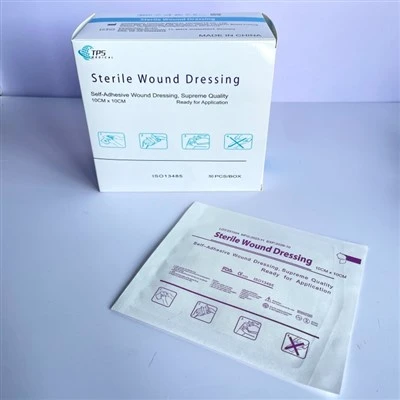
First off, let’s talk about the history of using cotton and gauze for wound care. For ages, people have been turning to these materials to tend to their injuries. Back in the day, before all the fancy modern medical supplies came along, cotton and gauze were the go – to options. And there’s a good reason for that.
Cotton is an amazing natural material. It’s soft, which means it won’t scratch or irritate the wound. When you’ve got an open injury, the last thing you want is something rough rubbing against it. Cotton fibers are also able to absorb a fair amount of moisture. When a wound is healing, it oozes fluids, and cotton is great at soaking up that excess moisture. This helps create a clean and dry environment around the wound, which is super important for preventing infections.
Gauze, on the other hand, is usually made from cotton or a blend that includes cotton. It has a loose, open weave. This allows air to circulate around the wound. You know, wounds need oxygen to heal properly. If you cover a wound with a material that doesn’t let air in, it can create a breeding ground for bacteria. The open structure of gauze keeps the wound airy, and that’s a big thumbs – up for the healing process.
Now, let’s look at the science behind it. When a wound occurs, the body’s natural response is to start the healing process. Platelets rush to the site to form a clot, and white blood cells start fighting off any potential invaders like bacteria. Cotton and gauze support these natural processes. The absorbency of cotton helps remove the blood and other fluids that could otherwise become a source of infection. And as I mentioned, the breathability of gauze allows the wound to "breathe," which speeds up the formation of new tissue.
But, like with anything, there are some things to keep in mind. Not all cotton and gauze products are created equal. You need to make sure that the cotton and gauze you use for wound dressing are sterile. Non – sterile materials can introduce bacteria to the wound, which is the exact opposite of what you want. That’s why, as a supplier, I take extra care to ensure that all our products go through strict sterilization processes.
Another thing is the quality of the cotton. Low – quality cotton might have impurities or rough fibers that can cause more harm than good. Our cotton is carefully selected and processed to make sure it’s of the highest quality. It’s soft, pure, and free from any contaminants that could affect the wound.
When it comes to gauze, the weave matters. A too – tight weave might restrict air flow, while a too – loose one might fall apart easily. We’ve got a range of gauze options with different weaves to suit different types of wounds. For small, superficial wounds, a lighter – weight gauze might be the best choice. For larger, more serious wounds, a thicker, more durable gauze might be needed.
Let’s talk about different types of wounds and how cotton and gauze can be used for each. For minor cuts and scrapes, a simple piece of cotton or gauze can be a lifesaver. You can clean the wound gently with an antiseptic and then cover it with a small piece of sterile cotton or gauze. This protects the wound from dirt and bacteria while it heals.
For burns, cotton and gauze can also play a crucial role. Burns are very sensitive, and the softness of cotton can provide a gentle barrier. You can soak the cotton or gauze in a cooling solution and apply it to the burn to relieve pain and prevent infection.
Even for surgical wounds, cotton and gauze are commonly used. After surgery, the wound needs to be kept clean and protected. Our high – quality cotton and gauze products are trusted by many medical professionals for this purpose. They are big believers in the effectiveness of these traditional materials for post – operative care.
Some people might wonder if there are any alternatives to cotton and gauze for wound dressing. Well, there are definitely other options out there, like synthetic dressings. These can have some advantages, like being more waterproof or having special properties for certain types of wounds. But cotton and gauze still hold their ground. They are natural, widely available, and have a long – proven track record of success.
And let’s not forget about cost. In today’s world, where healthcare costs are a big concern, cotton and gauze are an affordable option. They offer great value for money, especially when you consider the quality and effectiveness of our products.
So, to sum it all up, yes, cotton and gauze can absolutely be used for wound dressing. They have a long history of use, solid scientific backing, and are suitable for a wide range of wounds. Whether you’re dealing with a little cut at home or a more serious injury in a medical setting, cotton and gauze are reliable choices.
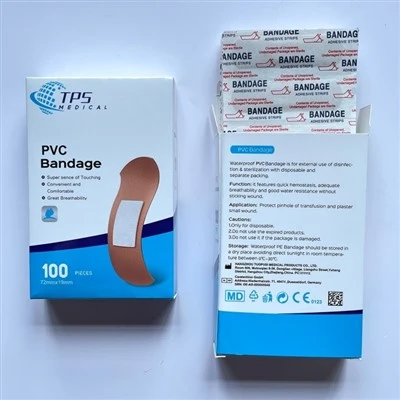
If you’re interested in stocking up on high – quality cotton and gauze for your personal, medical, or institutional needs, I’d love to talk to you. Drop me a line, and we can have a chat about how we can meet your requirements.
Tactical First Aid Kit Accessories References:
- Textbooks on Wound Care
- Medical Journals on Wound Management
Hangzhou Tuopusi Medical Products Co., Ltd.
As one of the most professional cotton and gauze manufacturers and suppliers in China, we offer a wide range of products with superior quality. Please feel free to wholesale bulk customized cotton and gauze at competitive price from our factory. Also, free sample is available.
Address:
E-mail: sales@tpsmedic.com
WebSite: https://www.medressing.com/
