Hey there! I’m in the printing patch game, and I know how important it is for these patches to be stretchy. Whether you’re making athletic wear, fashion pieces with a bit of stretch, or anything else, stretchy printing patches are a must – have. So, let’s dive into how we can make those printing patches more stretchy! Printing Patch
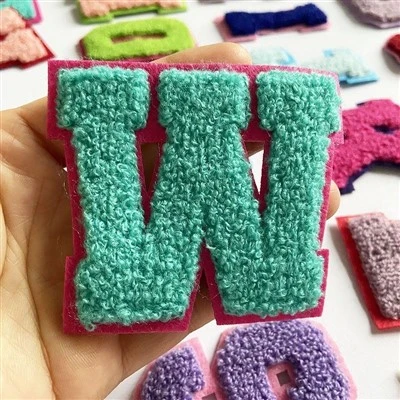
First off, we gotta talk about the materials. The base material of the patch plays a huge role in its stretchability. I’ve found that using fabrics like spandex or a spandex – blended fabric is a game – changer. Spandex, also known as Lycra, has this amazing ability to stretch up to 5 – 8 times its original size and then bounce back to its shape. When you’re making a printing patch, using a spandex – based material as the base gives it that much – needed stretch.
For example, if you’re making patches for workout clothes, a 90% cotton and 10% spandex blend can work wonders. The cotton gives the patch a nice, soft feel, while the spandex provides the stretch. You can’t just go for any old fabric, though. Make sure the fabric you choose has a high – quality stretch. A cheap spandex blend might stretch at first, but it could lose its elasticity over time, and that’s no good.
Another factor to consider is the printing method. Different printing methods can affect the stretchability of the patch. Screen printing is a popular choice, but the ink used in screen printing can sometimes make the patch a bit stiff. To combat this, you can use a special stretch – friendly ink. These inks are formulated to move with the fabric instead of restricting its movement. When you’re having your patches screen – printed, talk to your printer about using a stretch – ink. It’ll make a big difference.
Digital printing is another option. It offers more flexibility and can be a better choice for stretchy patches. The ink used in digital printing is generally lighter and more flexible compared to screen – printing ink. This allows the patch to stretch without the ink cracking or peeling. However, not all digital printers are created equal. You need to find a printer that has experience with stretchy materials and can adjust the printing settings accordingly.
The design of the patch also matters when it comes to stretch. Avoid using large, solid areas of printing. Solid blocks of ink can make the patch less stretchy because the ink restricts the movement of the fabric. Instead, go for more open – spaced designs. For example, using a pattern of small dots or thin lines can help the patch stretch more easily. These designs allow the fabric to move independently, minimizing the impact of the printing on the stretch.
Stitching is another aspect we can’t overlook. The type of stitching you use on your printing patch can either enhance or reduce its stretchability. A straight stitch is the most common, but it doesn’t allow for much stretch. Zig – zag stitching is a great alternative. It can stretch along with the fabric, making the patch more flexible. You can even use a combination of stitches. For instance, you can use a straight stitch for the outline to give the patch a clean look and then add some zig – zag stitching inside for extra stretch.
When you’re applying the patch to the garment, the method you use can also affect its stretch. Heat – transfer patches are easy to apply, but they can sometimes become less stretchy after the heat – application process. If you’re going for a heat – transfer patch, make sure to apply it at the right temperature and pressure. Too much heat can damage the stretch of the patch, while too little heat might not bond the patch properly.
Sewn – on patches are generally more stretchy because the stitching allows the patch to move with the fabric. But you need to be careful with the sewing process. Use a stretch – appropriate thread. A thread that is too thick or rigid can restrict the stretch of the patch and the garment. Go for a thin, flexible thread that can move with the fabric.
Another tip is to do some pre – testing. Before you start mass – producing your printing patches, make a few samples. Stretch them, wash them (simulate normal wear and tear), and see how they hold up. This way, you can identify any issues early on, like ink cracking or the patch losing its shape after stretching. You can then make adjustments to the material, printing method, or design based on the test results.
It’s also important to store your printing patches properly. If you store them in a way that they’re constantly folded or compressed, it can damage the stretch. Keep them in a flat, open container, and if you’re transporting them, make sure they’re not being squeezed too tightly. This will help maintain their stretchability over time.
Now, I know you’re probably wondering, why should you care about all these details? Well, stretchy printing patches offer a better fit and more comfort. Whether it’s for a sports team uniform or a trendy fashion item, a stretchy patch won’t restrict movement. It’ll look great and last longer because it can withstand the stretching and bending that comes with regular wear.
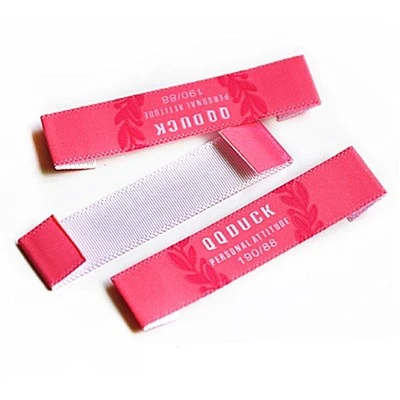
If you’re in the market for high – quality, stretchy printing patches, I’m here to help. As a printing patch supplier, I’ve got the expertise and the resources to create patches that meet your stretch requirements. Whether you have a specific design in mind, need a certain type of material, or have questions about the printing process, I’m just a message away. Let’s work together to make your printing patch dreams a reality!
Flat Embroidery Patch References:
- Textile Science textbooks for information on fabric properties and stretchability
- Industry research on printing methods and their impact on fabric stretch
- Personal experience and experimentation in the printing patch business
Yiwu Lanying Garment Accessories Co., Ltd.
As one of the most professional printing patch manufacturers and suppliers in China, we’re featured by quality products and good service. Please rest assured to wholesale premium printing patch at competitive price from our factory. Customized orders are welcome.
Address: F1,NO.448, Majiaotang Village, Houzhai Street, Yiwu City, Zhejiang Province, China 322000
E-mail: zhangchunyingzi@126.com
WebSite: https://www.embroideredpatchfactory.com/
