Hey everyone, it’s Jake here, and if you’re in the industrial game, you know cooling equipment isn’t just another box you buy and forget—until it breaks down, that is. Corrosion is the silent killer of chillers, cooling towers, heat exchangers, all that gear that keeps your factories, data centers, or manufacturing lines from overheating fast. I’ve been in the industrial cooling equipment supply biz for 12 years now, and I’ve seen way too many clients drop tens of thousands on emergency repairs or full replacements because they skipped basic corrosion prevention. Today, I’m breaking down what actually works, no jargon, no vague advice—stuff we actually install and stand behind for our customers. Industrial Cooling Equipment
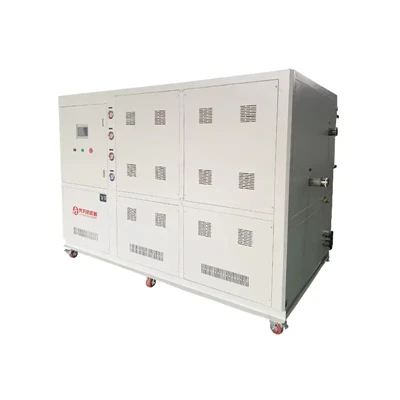
First off, let’s cut the crap: corrosion isn’t just “rust.” In industrial systems, it’s electrochemical damage that eats away at metal pipes, towers, and heat exchangers way faster than residential stuff. Think about it—your cooling system is running 24/7, 365 days a year (or at least when your plant’s humming), dealing with water, chemicals, maybe even dust or contaminants coming in from outside. That perfect storm of moisture, oxygen, and metal creates a tiny battery that slowly breaks things down. We had a food processing client last year whose cooling tower’s steel casing corroded so bad they had to replace half of it mid-production—cost them $180k in downtime alone. That’s why prevention isn’t a “nice to have”—it’s a must to keep your operations running.
Let’s start with the biggest mistake we see: bad water treatment. Most guys just dump a bucket of chemicals every month and call it good, but that’s not cutting it. Industrial cooling systems are open loops usually, right? So water evaporates, leaving behind dissolved solids (scale) and reducing the amount of make-up water coming in. That throws off pH levels big time—if it’s too low (acidic), it eats metal; too high (alkaline), it forms scale that traps corrosion right next to pipes. We work with clients to set up continuous monitoring, not just monthly checks. Like, our go-to is real-time pH and conductivity sensors that alert you if levels are off before they become a problem. One of our auto plants switched from manual testing to this, and their corrosion rates dropped 78% in 6 months. Also, don’t skip biocides. Bacteria like Legionella and slime-forming microbes love hanging out in cooling towers, and they create anaerobic environments that speed up corrosion (that’s called microbiologically influenced corrosion, or MIC for short—just remember it’s bad news). We use non-oxidizing biocides for long-term control, and oxidizing ones for shock treatments when we do system flushes. No more guessing if your biocide dose is enough—test for total bacterial count quarterly, that’s non-negotiable.
Next up, material selection. A lot of clients come to us with “we just need the cheapest chiller,” but that’s a short-sighted call. For steel cooling towers, galvanized steel works okay for mild environments, but if you’re dealing with high chloride levels (like near a coast or in a desalination plant), you need stainless steel—304 is basic, 316 is way more resistant to chloride corrosion. For heat exchangers, copper-nickel alloys are great for freshwater, but if you’re using seawater, you need titanium, full stop. We had a marina client a few years back who installed cheap galvanized cooling pipes for their boatyard’s maintenance facility—within a year, 30% were leaking from chloride corrosion. They swapped to titanium tubes, and now (3 years later) they haven’t had a single corrosion-related leak. Yeah, premium materials cost more upfront, but the alternative is downtime or replacement every 2-3 years. Run the numbers—you’ll save cash long-term.
Then there’s proper system design. A lot of corrosion issues aren’t about bad parts—they’re about how the system’s laid out. Dead legs are a huge one—pipes that don’t have water flowing through them, so water sits stagnant and breeds bacteria and corrosion. We always make sure our systems have minimal dead legs, and if they’re unavoidable, we add flush valves to dump that stagnant water monthly. Also, flow rates—too low, and water settles, creating low-oxygen areas that are perfect for MIC. Too high, and it erodes protective layers. We size our pumps so flow is at the right velocity for the specific system—usually around 3-8 ft per second, which avoids both stagnation and erosion. Oh, and isolation—don’t mix different metals in the same system. If you have a steel pipe connected to a copper heat exchanger, that’s galvanic corrosion waiting to happen, where one metal eats the other to balance the electrical charge. We use dielectric unions or gaskets between dissimilar metals to stop that dead in its tracks. It’s a $5 part, but so many skips it.
Maintenance habits—yes, even the small stuff matters. First, regular flushes. Once or twice a year, do a full system flush to get rid of built-up scale, sediment, and dead bacteria. We recommend using a chemical cleaner (not just water) for heavy buildup, then a passivation step—this creates a protective oxide layer on the metal, like a shield. Skipping flushes is like never changing your car’s oil—you’re asking for engine damage. Also, inspect for corrosion quarterly, not just once a year. Use non-destructive testing (ultrasonic thickness gauges, for example) to check pipe walls without tearing them open. We send our techs out to do these checks for our regular clients, and we’ll flag thinning spots before they turn into leaks. And don’t forget the cooling tower itself—keep the sump clean, fix any leaks in the make-up water line right away, and cover it when it’s not in use to keep out dirt, leaves, and debris that can trap moisture.
Wait, let’s talk about a newer thing we’re using that’s game-changing for some clients: corrosion inhibitors. No, not just the cheap ones you add to your coolant—we use film-forming inhibitors that create a tight, invisible layer on metal surfaces, blocking water and oxygen from reaching it. They work really well for systems that can’t use certain chemicals, like food or pharma plants where you have to keep water clean. We tailor the inhibitor to each client’s system—different metals, different water chemistries, different operating temps all need different formulations. A pharmaceutical client we work with switched to our customized film-forming inhibitors, and their corrosion rates went from 0.2 mm per year (which is already bad) to 0.02 mm per year. That’s the kind of numbers you want to see, no safety risks for their products either.
Also, for outdoor systems, atmospheric corrosion is a thing. If your cooling equipment’s sitting outside, exposed to rain, snow, or industrial fumes (like from a nearby factory), you need proper coatings. Not just regular paint—epoxy or polyurethane coatings designed for industrial use, and you have to reapply them every 3-5 years. We always factor in coating application when we install new equipment, and we send reminders to our clients when it’s time for a re-coat. One construction company had their cooling tower’s paint peel within a year because they didn’t prep the surface (you have to sand and clean it first before painting) — now we prep all coatings for our clients to avoid that mistake.
Let’s be real, nothing is 100% corrosion-proof, but the steps above drastically reduce the risk. We’ve had clients implement all these steps and go 5+ years without a single corrosion-related repair. The key is consistency—this isn’t a one-time fix. It’s monitoring your water, picking the right materials, designing the system right, and keeping up with maintenance.
I get it, for business owners, time and money are tight. You don’t want to drop cash on something that feels like it’s not making you money right away. But let’s circle back to that food processing client I mentioned earlier—their downtime cost was way more than the parts, and it put them behind on orders, which hurt their customer relationships. Preventing corrosion saves you from those headaches. It keeps your production on schedule, avoids emergency repair bills, and extends the life of your cooling equipment by years.
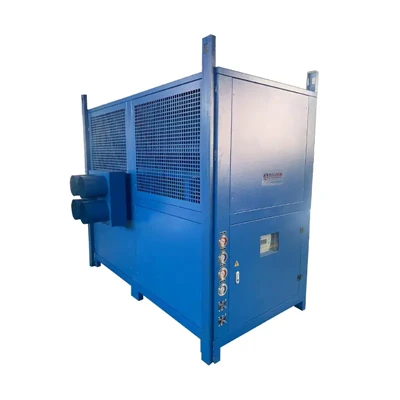
If you’re dealing with corrosion right now, or you want to set up a system that avoids it from day one, hit us up for a chat. We don’t do one-size-fits-all—we’ll come look at your facility, your current setup, and give you specific, actionable steps tailored to your needs. No pushy sales pitches, just honest advice based on what’s worked for our 1000+ industrial clients over the years.
Screw Chillers References:
- Corrosion Basics: An Introduction, NACE International
- Industrial Cooling Water Systems: Design, Operation, and Maintenance, McGraw-Hill
- Microbiologically Influenced Corrosion in Industrial Systems, ASTM International
Kunshan Aotianxin Machinery Co., Ltd.
We’re well-known as one of the most reliable industrial cooling equipment manufacturers in China. With abundant experience, our factory offer high quality industrial cooling equipment made in China with low price. If you have any enquiry about quotation and free sample, please feel free to email us.
Address: 550 Shengguang Road, Bacheng Town, Kunshan City, Jiangsu Province
E-mail: 1516722561@qq.com
WebSite: https://www.atxks.com/
