Hey there! If you’re a wardrobe door owner (or someone who’s about to be, like, super soon) you’ve probably stared at a wonky, warped door at some point. Maybe yours started sticking when you tried to close it last month, or it’s got that little curve that makes you cringe every time you walk past. And full transparency here – I’m not just some random blogger ranting – I run a wardrobe door supply business, and warping is hands down one of the most annoying issues customers hit us with. We’ve seen everything from soft pine doors that bent from a single humid summer to MDF ones that bubbled so bad they looked like they had a life of their own. So let’s cut the fluff, get into the real science behind warping, and break down exactly how to stop it before it even starts. Wardrobe Door
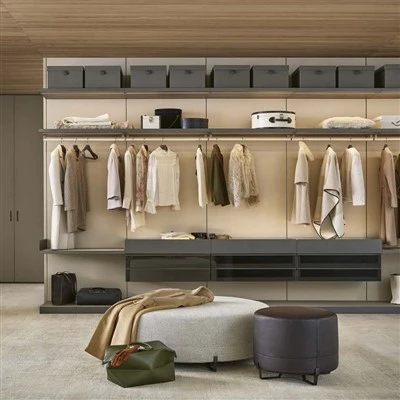
First, let’s get one thing straight: warping isn’t a flaw in your door (usually). Most of the time, it’s tied to moisture and temperature changes – the two biggest villains in the door warping game. Here’s the quick breakdown: every door material (wood, MDF, laminate, whatever) expands and contracts when humidity or temp shifts. But if the moisture content on one side of the door is totally different from the other, that’s when trouble hits. Like, say you live in a place that’s super muggy, and your door’s sitting right next to a bathroom that’s not ventilated – the inside of the door soaks up moisture way faster than the outside. That unbalanced expansion makes the door twist or curve. Or if you crank the heat in winter, and one side of your door is near a radiator and dry as a bone, while the other is next to a cold, damp wall – same idea, just opposite. It’s not magic, it’s basic physics, and if you don’t fix that balance, you’re gonna end up with a door that looks like a funhouse mirror.
Now, let’s talk about the things you can control, starting with the biggest one: moisture. I know, I know, “keep your space dry” sounds like your mom nagging you about wiping up spills, but it’s actually the most impactful step here. Let’s start with the obvious spots: bathrooms, laundry rooms, kitchens – all places that get lots of steam. If your wardrobe door’s hanging near any of these, you’re basically inviting warping. I recommend adding a vent fan in bathrooms that runs for 20 minutes after every shower (no, just turning it on when you’re showering isn’t enough). For laundry rooms, keep the door closed while the dryer’s running, and maybe stick a small dehumidifier nearby if your space feels sticky most days. Even for regular bedrooms or living areas, aim to keep indoor humidity between 30% and 50% – that’s the sweet spot for most door materials. If you don’t have a hygrometer (they’re like $10 at any hardware store), just touch the wall in the winter – if it feels clammy, you need a dehumidifier; if your skin’s always dry, a humidifier works too.
Wait, and this is a mistake I see so many customers make: when you install a new wardrobe door, don’t hang it right above a floor vent or a space heater. Blasting hot or cold air directly at one side of the door creates that unbalanced temp (and moisture) we talked about earlier. I once had a customer who put his new MDF wardrobe door 6 inches above a space heater – he texted me a pic 2 weeks later, and the door had curved so bad he couldn’t close it. Total oops, but fixable once he moved the heater. Another big no-no: storing the door before you install it wrong. If you get a new door from us (shoutout to my team for prepping them right!), don’t just lean it against a wall in your garage where it’s freezing in winter and swampy in summer. Leave it flat on a level surface inside your home, let it acclimate for 3-5 days before hanging. MDF especially holds onto any moisture it picks up during shipping, so rushing that step is a fast track to warping.
Next up, material choice. Not all doors are created equal, right? I’ve been in this game long enough to tell you that some materials are way more prone to warping than others, and picking the right one for your space goes a long way. Let’s break down the most common ones we supply: Solid wood doors are nice, but they’re porous – if you live in a super humid climate, they’ll absorb moisture like a sponge. Now, that doesn’t mean you can’t use them, but you’ve got to seal them properly. We always recommend 2 coats of outdoor-grade sealant or paint on solid wood doors that go in high-moisture areas (like near a bathroom). MDF (medium-density fiberboard) is cheaper, but it’s basically sawdust pressed together with glue – it absorbs moisture really fast, and when it does, it swells and warps almost immediately. I only suggest MDF for low-moisture areas, like a bedroom closet where it’s dry 90% of the year. Laminate doors are way more resistant – they have a hard, water-resistant layer that locks out moisture, so they’re great for kitchens or even mudrooms where spills happen. We also do composite doors now, which are a mix of wood fibers and plastic – they’re basically warping-proof (I’ve had customers test them in extreme humidity for over a year, and they still look the same). If you’re in a high-humidity area, composite is hands down your best bet, trust me.
Wait, what about installation? Even the best door will warp if you hang it wrong. That’s another common mistake. First, make sure your frame is level and plumb. If the frame is tilted, the door will sit unevenly, and over time, that pressure will make it warp. Use a level (the cheap $5 one works, no need for a fancy laser) when you’re putting up the frame, and if it’s not perfectly level, adjust the hinges or shim it with small pieces of wood until it is. Second, don’t over-tighten the hinges. A lot of guys hang a door, crank the hinge screws so tight they strip the wood, and think “that’s secure” – but that puts too much pressure on the door, which can cause it to bend over time. Tighten the hinges just enough so the door swings smoothly, no wiggling. Third, leave a small gap between the door and the frame. I usually tell customers to leave about 1/8 of an inch on all sides – that gives the door room to expand and contract without rubbing or getting stuck, which prevents warping from pressure. And if you have sliding wardrobe doors? The same rule applies – make sure the track is level, and don’t overload the doors with too much stuff (weight can bend them too, especially if they’re thin).
Now, what if your door is already warped? Don’t panic, it’s not the end of the world. If it’s a small warp (like 1/4 inch or less), you can try this quick fix: take the door off, remove the hinges, and lay it flat on a level surface. Put a few heavy books (or weights, whatever you have) on the curved part, and leave it there for a week or two. The weight will push it back into shape. If it’s a wooden door, you can also lightly mist the concave side (the side that’s curving in) with water – the wood will absorb the moisture and expand, and the weight will flatten it. Just be careful not to over-mist, because you don’t want to warp it the other way. For larger warps, though, it’s probably easier to just replace it – that’s actually way cheaper than trying to fix it, especially if you’re not handy.
I’ve been in the wardrobe door supply business for 7 years now, and I’ve learned that 90% of warping issues are preventable – it’s not some random defect, it’s just small mistakes people make when they’re installing or maintaining their doors. A lot of customers come to us panicking, thinking they got a bad door, but when we ask them about their bathroom vent or where they hung the heater, it’s always a simple fix. Here’s the thing: your wardrobe door doesn’t have to be a hassle. Pick the right material for your space, let it acclimate before hanging, keep moisture balanced, install it correctly, and you’ll have a door that lasts for years.

If you’re in the market for new wardrobe doors, whether you’re fixing a warped one or upgrading your whole space, we’ve got options for every style and budget – from budget-friendly MDF to warping-proof composites. We can also help you pick the right material based on your climate or where you’re hanging the doors. No pressure, just if you wanna chat through it, we’re here. Just reach out to our team anytime to get the ball rolling on your wardrobe door order.
Cabinet Body REFERENCES
- Wood Industry Technical Association. (2022). Moisture-related Warping in Residential Wood Products.
- National Wood Flooring Association. (2021). Understanding Humidity and Wood Movement.
- Composite Door Manufacturers Association. (2023). Performance Characteristics of Composite Wardrobe Doors in Variable Environments.
- Home Improvement Research Institute. (2022). Common Installation Errors Leading to Wardrobe Door Damage.
Tengzhou Jingsheng Home Furnishing Co., Ltd.
As one of the most experienced wardrobe door manufacturers and suppliers in China, we also support customized service. Please feel free to buy high quality wardrobe door in stock here from our factory. For quotation and free sample, contact us now.
Address: Zhanglou Village, Hongxu Town, Tengzhou City, Zaozhuang City, Shandong Province
E-mail: 15554379297@163.com
WebSite: https://www.jingshenghome.com/
