Hey everyone, if you’ve ever wandered the aisles of a health food store or scrolled through clean ingredient posts on Instagram, you’ve probably seen both blue spirulina and regular spirulina popping up everywhere lately. As someone who’s been in the blue spirulina game for years—working directly with growers to get the good stuff to people who actually care about what they put in their bodies—I get so many questions about these two. Most folks mix them up hard, like they’re the same thing just with a different shade. Spoiler: they’re not. And honestly, if you’re grabbing either for a specific benefit, knowing the difference is the whole reason you’re buying in the first place. Let’s break this down real, no jargon, just the stuff that actually matters. Blue Spirulina

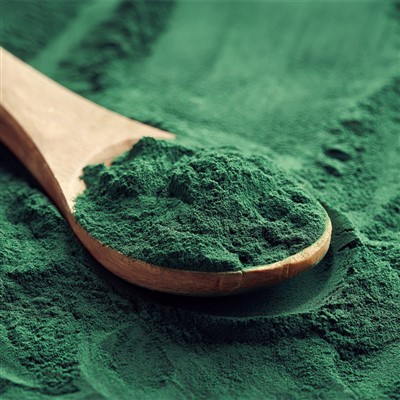
First, let’s start with basics so we’re all on the same page. Both spirulina and blue spirulina are types of cyanobacteria, right? Sometimes they’re called blue-green algae, even though they’re technically bacteria—biology nerds, don’t @ me, I’ve heard it a million times. But here’s the first big split: regular spirulina is that deep emerald green stuff you see in powders, capsules, even smoothie bowls. Blue spirulina? It’s that bright, Instagrammable electric blue powder that makes smoothies look like they’re from a magical fairy land. And that color is literally the giveaway for their biggest difference.
Let’s talk pigments, because that’s where it all starts. Regular spirulina gets its green color from chlorophyll, the super common pigment that lets plants and algae soak up sunlight and turn it into energy. It’s packed with chlorophyll a, which is the main player here. But blue spirulina has a whole other pigment: phycocyanin. Specifically, C-phycocyanin, the compound that gives it that insane blue hue. I remember when I first started working with blue spirulina, the lab guys showed me a sample of plain phycocyanin extract—before it’s blended with regular spirulina to make the powder we sell—and it was literally that same vivid blue. Wild, right?
Now, let’s jump to nutrition, because that’s what most people care about. Both of these are protein powerhouses, no doubt. Spirulina (regular) is like, 60-70% complete protein, which means it has all 9 essential amino acids your body can’t make on its own. It’s also loaded with iron, B vitamins (especially B12, which is a big one for vegans and vegetarians), magnesium, and those antioxidants from chlorophyll. Blue spirulina? Wait, it’s not just phycocyanin—when we harvest it, we don’t strip all the other good stuff away, right? The blue powder I sell still has most of the regular spirulina’s nutrition: protein, amino acids, iron, B12. But phycocyanin is the star here, and that’s where its unique benefits come in.
Let’s get into the real talk about benefits, because that’s why you’d pick one over the other. If you’re going for overall nutritional boost, like muscle recovery, energy, or supporting your immune system, regular spirulina is solid. It’s been around forever, used in traditional diets in places like Chad and Mexico for centuries. I’ve got customers who are runners who take it every day to keep their iron levels up, or parents who mix it into their kids’ smoothies (they can’t even taste the earthy green flavor, thank god). But blue spirulina? The phycocyanin is where it’s at. Studies have shown it’s a powerful anti-inflammatory—way more potent than some of the antioxidants in regular spirulina. I’ve talked to a friend who has joint pain, and she swears by blue spirulina for that; she’s noticed less stiffness in her knees after a month of taking it daily. It’s also been linked to supporting gut health, maybe even helping with exercise-induced inflammation, which is huge for athletes. And let’s not forget the color—if you’re making a smoothie, homemade popsicles, or face mask that needs that pop of blue (no artificial dyes, obviously), blue spirulina is non-negotiable. Regular spirulina just doesn’t give that bright blue, so that’s a big aesthetic win for blue spirulina.
Wait, but let’s get real about processing, because that’s a big part of the difference too. A lot of people don’t realize that blue spirulina isn’t just a different strain of cyanobacteria, even though some brands will tell you that. Most of the time, it’s regular spirulina that’s processed to extract the phycocyanin, then blended back with a small amount of regular spirulina to keep it stable and get that blue color. The processing is gentler, right? Because if they heat phycocyanin too much, it breaks down and loses its color and benefits. That’s why high-quality blue spirulina has to be processed at low temperatures, which is something we prioritize a lot—we never use harsh chemicals or high heat when we harvest ours, because that would kill the phycocyanin. Regular spirulina can be processed a little more aggressively, since chlorophyll is more stable, and it’s often grown in larger batches for the mass market, which makes sense because it’s cheaper to produce.
Now, let’s get into the myths, because there are so many floating around. Some people say blue spirulina has less protein than regular—nope, not when it’s high quality. The protein content is almost identical, because we don’t strip out the other parts, just concentrate the phycocyanin. Another myth: blue spirulina is only for aesthetics. No way—its anti-inflammatory benefits are actually pretty well-researched. I’ve got a customer who’s a yoga instructor and she uses it for post-workout recovery, and she swears by it. The only real downsides? Blue spirulina is a little more expensive than regular, because the processing is more specific and there’s less of a supply chain for it yet. And some cheaper brands might cut corners, extract too much phycocyanin and leave a lot of the regular spirulina out, which would mean less nutrition overall. That’s why it’s important to buy from a supplier you trust—someone who’s transparent about their growing and processing, not just marketing hype.
Wait, let’s talk about taste, because that’s a huge factor too. Regular spirulina has that earthy, almost grassy taste that some people don’t love. You have to mix it into strong flavors—like chocolate, peanut butter, or frozen fruit—to mask it. Blue spirulina, though? It’s way milder. Like, almost unnoticeable in things if you don’t add too much. I’ve had customers who hate green smoothies go crazy for blue ones with a little blue spirulina, because you can barely taste it, but it gives that fun color. That’s why it’s so popular in things like vegan blue ice cream, or even homemade glittery water for parties. No weird aftertaste, just that soft blue hue.
Let me also touch on growing, because that’s where the quality starts for both. Both spirulina and blue spirulina grow in freshwater ponds, right? But blue spirulina needs more specific conditions to get that high concentration of phycocyanin—like specific pH levels, sunlight exposure, and water temperature. If the pond is too hot or too cold, or the pH is off, the phycocyanin doesn’t develop as much, so the blue color is faded. That’s why we only work with a small, trusted network of growers who monitor their ponds 24/7, not just mass producers who cut corners to maximize yield. Regular spirulina is a lot more forgiving, so it’s easier to grow in larger quantities, which makes it more accessible for big brands.
Now, let’s get practical: when should you pick which? If you’re after a general nutritional boost, more protein, iron, B12, and don’t care about that blue color, regular spirulina is totally fine, and it’s a great staple to have. But if you want the anti-inflammatory benefits, the unique phycocyanin, that bright blue for recipes, or something that’s milder tasting, blue spirulina is the way to go. Just make sure you’re getting a high-quality one—avoid brands that don’t disclose their processing methods, or have added fillers. A lot of cheap blue spirulina powders actually have regular spirulina with a little food coloring added, which defeats the whole purpose of buying natural.
As someone who’s been selling blue spirulina for years, I’ve seen a lot of brands come and go, and a lot of customers get burned by bad quality. That’s why we focus on transparency—we post our lab results for every batch, talk about exactly how we grow and process it, and make sure our customers know exactly what they’re getting. If you’re someone who’s curious about trying blue spirulina, or you’ve used regular spirulina before and want to step up your game, I’m here to help. No pressure, no salesy stuff—just real advice from someone who’s in this every day.
Wait, let’s wrap this up. The biggest difference boils down to pigment and the unique benefits that come with that. Regular spirulina is the OG, all-around nutrient powerhouse. Blue spirulina is the next level, with that phycocyanin, anti-inflammatory perks, and that iconic color that makes everything it touches way more fun. It’s not that one is better than the other—they just serve different purposes.
If you’re interested in learning more, or want to source high-quality blue spirulina for your business or personal use, I’m here to chat. We can answer any questions you have about growing, processing, or dosage, no pressure at all. Just shoot me a message, and we can hook up to talk through whatever you need.
Spirulina Chlorella References:
- Belay, A. (2002). The potential of spirulina (Arthrospira platensis) as a biological response modifier. Journal of Applied Phycology, 14(2), 161-165.
- Eriksen, N. T. (2008). Production of phycocyanin – a pigment with applications in biology, biotechnology, foods and medicine. Applied Microbiology and Biotechnology, 80(1), 1-14.
- Habib, M. A. B., Parvin, M., Huntington, T. C., & Hasan, M. R. (2008). Spirulina: A promising feed supplement for aquaculture. Aquaculture, 282(1-4), 1-7.
Dongtai City Spirulina Bio-Engineering Co., Ltd.
As one of the most experienced blue spirulina manufacturers and suppliers in China, we offer a wide range of products with superior quality. Please feel free to buy bulk blue spirulina made in China here from our factory. Good service and reasonable price are available.
Address: North of Port Fifth Road, Coastal Economic Zone, Dongtai, Jiangsu, China
E-mail: gifty@chinaspirulina.com
WebSite: https://www.chinaspirulina.com/
