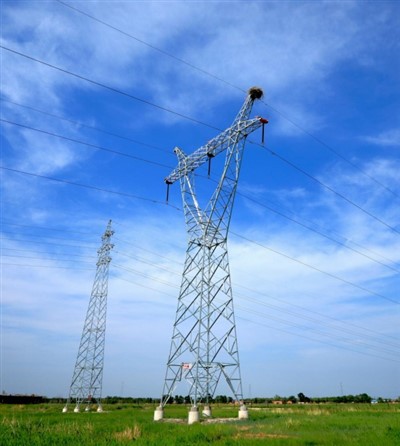
Hey there! I’m a supplier of lightning protection steel towers, and boy, do I know how important it is to prevent corrosion on these bad boys. Corrosion can not only weaken the structural integrity of the tower but also increase the risk of lightning – induced failures. So, in this blog, I’ll share some tips on how to prevent corrosion of a lightning protection steel tower. Lightning Protection Steel Tower
Understanding the Causes of Corrosion
First off, let’s talk about what causes corrosion in the first place. Corrosion is basically a chemical reaction between the steel and its environment. The most common culprit is moisture. When steel is exposed to water, oxygen, and certain chemicals in the air or soil, a process called oxidation occurs. This creates iron oxide, which we all know as rust.
Another factor that can speed up corrosion is pollution. Areas with high levels of industrial pollutants, like sulfur dioxide and nitrogen oxides, can create acidic conditions that eat away at the steel. Saltwater is also a major corrosion accelerator. If your tower is located near the coast, it’s going to be at a higher risk of rusting.
Choosing the Right Steel
The type of steel you use for your lightning protection tower plays a huge role in its resistance to corrosion. Not all steels are created equal. For lightning protection towers, I usually recommend using low – carbon steel with a high yield strength.
Some steels come with built – in corrosion resistance. For example, weathering steel contains small amounts of copper, chromium, and nickel. These elements form a protective layer on the surface of the steel when exposed to the atmosphere. This layer slows down the corrosion process and gives the steel a unique, rust – like appearance that many people find aesthetically pleasing.
Protective Coatings
One of the most common ways to prevent corrosion is by applying protective coatings. There are several types of coatings available, and each has its own pros and cons.
Paint Coatings: Paint is a popular choice because it’s relatively inexpensive and easy to apply. There are special anti – corrosion paints designed specifically for steel structures. These paints create a barrier between the steel and the environment, preventing moisture and oxygen from reaching the surface.
When applying paint, it’s important to prepare the surface properly. The steel should be cleaned thoroughly to remove any dirt, rust, or grease. You might need to sandblast the surface to create a rough texture that the paint can adhere to better.
Galvanizing: Galvanizing is another effective method. It involves coating the steel with a layer of zinc. Zinc is more reactive than steel, so when the galvanized steel is exposed to the environment, the zinc corrodes first, protecting the underlying steel.
There are two main types of galvanizing: hot – dip galvanizing and electro – galvanizing. Hot – dip galvanizing is the more common and durable option. In this process, the steel is dipped into a bath of molten zinc. The zinc forms a metallurgical bond with the steel, creating a thick, long – lasting protective layer.
Powder Coating: Powder coating is a modern alternative to traditional paint. It involves applying a dry powder to the steel surface and then heating it to form a hard, protective finish. Powder coatings are more resistant to chipping, scratching, and fading than paint. They also have a lower environmental impact because they don’t contain solvents.
Cathodic Protection
Cathodic protection is a more advanced method of preventing corrosion. It works by making the steel the cathode of an electrochemical cell. There are two types of cathodic protection: sacrificial anode protection and impressed current protection.
Sacrificial Anode Protection: In this method, a more reactive metal, like magnesium or aluminum, is connected to the steel tower. The more reactive metal acts as an anode and corrodes instead of the steel. The sacrificial anode needs to be replaced periodically as it corrodes away.
Impressed Current Protection: This method uses an external power source to supply a direct current to the steel. The current counteracts the natural corrosion process by making the steel more negative relative to the environment. Impressed current protection is more suitable for large – scale structures or for areas with severe corrosion conditions.
Regular Inspections and Maintenance
Even with the best preventive measures in place, it’s still important to conduct regular inspections of your lightning protection tower. Inspections should be carried out at least once a year, but in high – risk areas, more frequent inspections might be necessary.
During an inspection, look for signs of corrosion, such as rust spots, flaking paint, or damaged coatings. Check the connections between the tower components to make sure they’re still tight and secure. If you notice any problems, address them as soon as possible.
Maintenance also includes cleaning the tower. Remove any dirt, debris, or vegetation that might be accumulating on the tower. This can help prevent moisture from getting trapped on the surface and causing corrosion.
Environmental Considerations
The location of your lightning protection tower can have a big impact on its corrosion rate. As I mentioned earlier, coastal areas and industrial regions are more prone to corrosion. If possible, try to design the tower to minimize its exposure to harsh environments.
For example, you can install the tower on a raised foundation to keep it away from standing water. You can also use barriers or shields to protect the tower from direct exposure to salt spray or industrial pollutants.
Training and Education
It’s not just about the technical aspects of preventing corrosion. It’s also important to educate your staff and customers about the importance of corrosion prevention. Make sure they know how to inspect the tower properly, what to look for, and how to perform basic maintenance tasks.
By empowering your team with the right knowledge, you can ensure that your lightning protection towers stay in good condition for years to come.
Conclusion
Preventing corrosion of a lightning protection steel tower is a multi – faceted process. It starts with choosing the right steel, applying appropriate protective coatings, and implementing cathodic protection where necessary. Regular inspections and maintenance are also crucial.
As a lightning protection steel tower supplier, I’m always here to help you with any questions you might have about corrosion prevention. Whether you’re building a new tower or maintaining an existing one, I can provide you with the right products and advice to keep your tower in top shape.
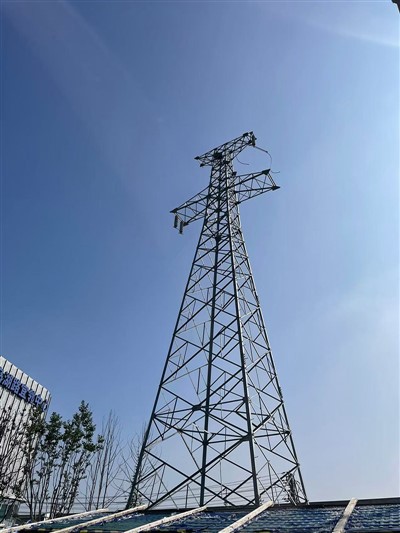
Overhead Line Tower If you’re in the market for a lightning protection steel tower or need to discuss corrosion prevention strategies, don’t hesitate to reach out. Let’s have a chat and see how we can work together to meet your needs.
References
- Jones, D. A. (1996). Principles and Prevention of Corrosion. Prentice Hall.
- Uhlig, H. H., & Revie, R. W. (1985). Corrosion and Corrosion Control. Wiley – Interscience.
Hebei Yifeng Steel Structure Co., Ltd.
As one of the most professional lightning protection steel tower manufacturers and suppliers in China, we offer a wide range of products with superior quality. Please feel free to buy cost-efficient lightning protection steel tower for sale here from our factory. Contact us for more details.
Address: Guangchuan Town Industrial Zone, Jing County, Hengshui City, Hebei Province
E-mail: hbyfgjg@163.com
WebSite: https://www.yf-powertowers.com/
