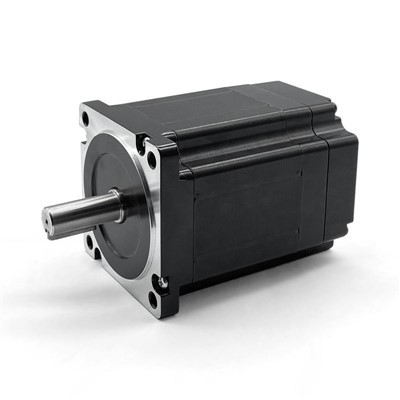
As a supplier of Permanent Magnet DC (PMDC) motors, I often get asked about the feasibility of using these motors in aerospace applications. In this blog, I’ll explore this question in depth, considering the technical aspects, advantages, challenges, and potential use – cases of PMDC motors in the aerospace industry. Permanent Magnet DC Moto
Technical Characteristics of PMDC Motors
Before delving into aerospace applications, it’s essential to understand the basic technical features of PMDC motors. A PMDC motor operates on the principle of electromagnetic induction. It consists of a stator with permanent magnets and a rotor with a wound armature. When an electric current is passed through the armature, a magnetic field is created that interacts with the magnetic field of the permanent magnets. This interaction generates a torque, which causes the rotor to rotate.
One of the key advantages of PMDC motors is their simplicity in design. Without the need for an external field winding, PMDC motors are generally lighter and more compact compared to other types of DC motors. They also offer high – torque at low speeds, which is beneficial in many applications where precise control of movement is required. Additionally, PMDC motors have a relatively simple control mechanism, which can be easily integrated with various control systems.
Advantages of PMDC Motors for Aerospace Applications
- Weight and Size: In the aerospace industry, every gram counts. The light and compact nature of PMDC motors make them an attractive option. For example, in satellite – based applications, where payload capacity is extremely limited, using PMDC motors can help in reducing the overall weight. This not only saves on fuel costs during launch but also allows for more equipment to be carried on board.
- High Torque Density: Aerospace applications often demand high torque in a limited space. PMDC motors can provide a high torque – to – volume ratio. This is crucial in applications such as actuators for control surfaces of an aircraft. Actuators need to be able to generate sufficient force to move the control surfaces accurately, and the high torque density of PMDC motors makes them suitable for this task.
- Efficiency: PMDC motors are generally quite efficient, especially at low to medium – speed ranges. This is important in aerospace applications, as efficient motors consume less power. In an environment where power is generated and stored in limited quantities, such as in space missions, higher efficiency translates into longer – lasting power systems and reduced reliance on external power sources.
- Precise Control: The simple control mechanism of PMDC motors enables precise speed and torque control. In aerospace applications like robotic arms on a space shuttle or mechatronic systems in an aircraft cockpit, precise control of movement is essential. The ease of controlling PMDC motors allows for accurate positioning and smooth operation of these systems.
Challenges of Using PMDC Motors in Aerospace
- Temperature and Environmental Conditions: Aerospace environments are characterized by extreme temperatures, radiation, and vacuum conditions. PMDC motors need to be able to withstand these harsh conditions. Permanent magnets in PMDC motors can lose their magnetism at high temperatures, a phenomenon known as thermal demagnetization. Designers need to select appropriate magnet materials with high Curie temperatures and implement effective thermal management systems to prevent this.
- Reliability: In aerospace, reliability is non – negotiable. A motor failure during a flight or a space mission can have catastrophic consequences. PMDC motors need to be designed and manufactured to extremely high standards. They must undergo rigorous testing for durability, shock resistance, and vibration resistance to ensure they can perform reliably under all operating conditions.
- Electromagnetic Interference (EMI): PMDC motors can generate electromagnetic interference, which can disrupt other sensitive electronic equipment on the aircraft or spacecraft. Special shielding and filtering techniques need to be employed to minimize EMI. This is particularly important in modern aerospace systems, which are filled with a large number of electronic components.
Potential Aerospace Applications of PMDC Motors
- Satellite Actuators: Satellites require actuators for various functions, such as solar panel deployment, antenna positioning, and attitude control. PMDC motors can be used in these actuators due to their high torque density, precise control, and compact size. For example, a small PMDC motor can be used to rotate a satellite’s solar panels to face the sun, maximizing power generation.
- Aircraft Cockpit Systems: In the cockpit of an aircraft, there are numerous mechatronic systems that require precise control. PMDC motors can be used in systems such as throttle controls, flap actuators, and instrument panel adjustments. Their ability to provide accurate movement control enhances the safety and functionality of the aircraft.
- Unmanned Aerial Vehicles (UAVs): UAVs are becoming increasingly popular in aerospace applications, including surveillance, mapping, and package delivery. PMDC motors are well – suited for UAVs as they offer a good balance of power, weight, and efficiency. They can be used to drive the propellers or control the movement of other components on the UAV.
Overcoming the Challenges
To overcome the challenges of using PMDC motors in aerospace applications, continuous research and development efforts are being made. Advanced materials are being used for permanent magnets, such as neodymium – iron – boron (NdFeB) magnets, which have high magnetic strength and relatively high Curie temperatures. Thermal management solutions, such as heat sinks and thermal insulation, are being optimized to protect the motors from extreme temperatures.
In terms of reliability, manufacturers are implementing strict quality control measures throughout the production process. Motors are subjected to extended testing under simulated aerospace conditions to ensure they can operate without failure for long periods. To address EMI issues, sophisticated shielding materials and filtering circuits are being developed and integrated into the motor design.
Conclusion
In conclusion, while there are challenges associated with using PMDC motors in aerospace applications, their numerous advantages make them a viable option in many scenarios. The combination of their weight – saving potential, high torque density, efficiency, and precise control capabilities makes them suitable for a wide range of aerospace – related tasks, from satellite operations to aircraft cockpit control systems.
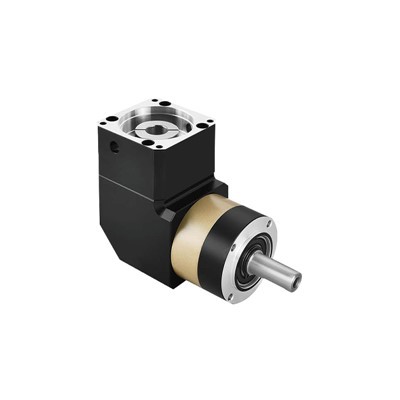
As a supplier of PMDC motors, we are committed to providing high – quality products that meet the demanding requirements of the aerospace industry. Our motors are developed using the latest technologies and manufacturing processes to ensure they can withstand the harsh aerospace environment. We work closely with our customers to understand their specific needs and provide customized solutions.
Servo Motor If you are involved in an aerospace project and are considering the use of PMDC motors, I encourage you to reach out to us. We can provide you with detailed technical information, samples for testing, and support throughout the procurement process. Let’s discuss how our PMDC motors can contribute to the success of your aerospace application.
References
- Knowlton, A. P. (1999). Electric Motors and Control Techniques. Newnes.
- Chapman, S. J. (2012). Electric Machinery Fundamentals. McGraw – Hill.
- Peuker, M. (2016). Electric Motors for Aerospace Applications. SAE International.
Zibo Auric Mechanical and Electrical Technology Co., Ltd.
As one of the leading permanent magnet dc moto manufacturers and suppliers in China, we warmly welcome you to buy advanced permanent magnet dc moto for sale here from our factory. All customized motors are with high quality and competitive price.
Address: B419, High-tech Entrepreneurship Park, High-tech Zone, Zibo City
E-mail: cui@auricmotor.com
WebSite: https://www.auricmotor.com/
